Taliban Leader Calls Ghazni the “Birthplace of Suicide Bombers”
DID Press: Hibatullah Akhundzada, the Taliban’s leader, described Ghazni as the “birthplace of suicide bombers” and the “capital of Islamic culture” during a visit to the province, stressing the need to reform young people’s thinking, strengthen religious madrasas and ensure obedience to the Taliban leadership’s directives.
Hamdullah Fitrat, the Taliban’s deputy spokesperson, said Akhundzada made the remarks during a meeting with the provincial governor, local officials and a number of religious scholars, describing Ghazni as the birthplace of suicide bombers, religious scholars and saints.
Ghazni was designated the Capital of Islamic Culture in Asia in 2013. However, the Taliban leader’s description of the province as the “birthplace of suicide bombers”, alongside its historical and cultural heritage, is a controversial statement consistent with the Taliban’s violent approach.
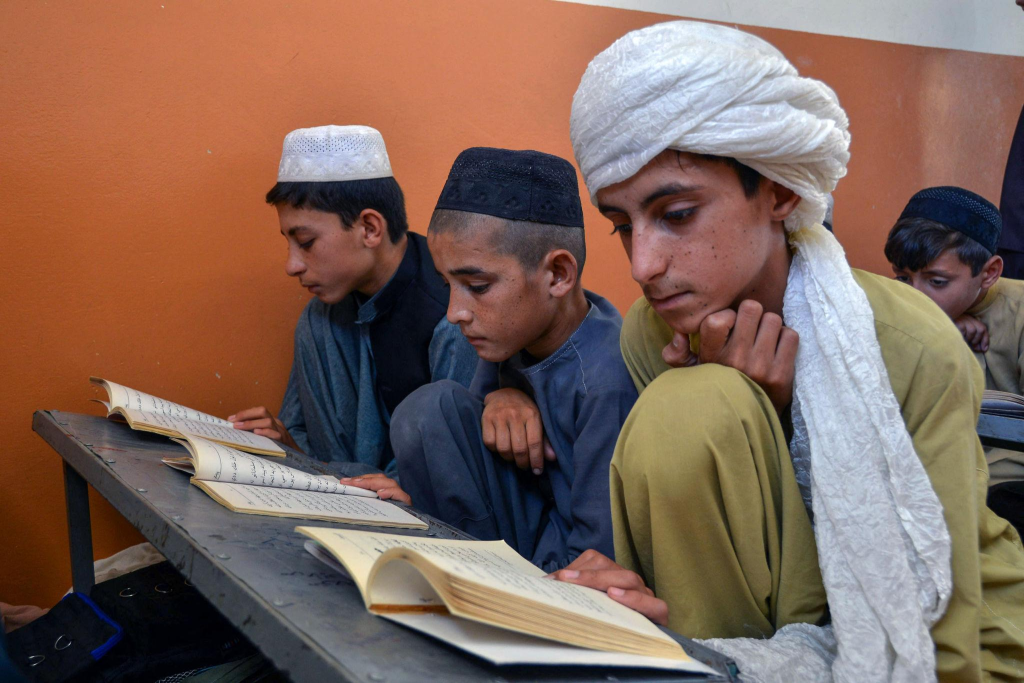
According to a statement from the Taliban spokesperson’s office, Akhundzada instructed the provincial Department of Information and Culture to organise reform-oriented meetings aimed at directing young people towards religious and Afghanistanian culture. He also claimed that young people remain vulnerable to external propaganda.
The Taliban leader described respect for religious scholars as a guarantee of the system’s stability and emphasised administrative coordination and obedience to the leadership’s directives.
During the visit, Akhundzada laid the foundation stone for the largest Eidgah mosque in Ghazni province, on a plot measuring 180 jeribs, as well as a jihadi madrasa on a 100-jerib plot.
Abdul Ghani Baradar, the Taliban’s deputy prime minister for economic affairs; Abdul Haq Wasiq, the group’s intelligence chief; and the governors of Maidan Wardak and Zabul were among the officials accompanying Akhundzada during the visit.
Describing Ghazni as the birthplace of suicide bombers, alongside the emphasis on expanding jihadi madrasas and constructing religious institutions, offers an indication of the Taliban leadership’s ideological priorities. Akhundzada’s increasing presence on provincial visits and repeated emphasis on obedience to his commands also suggest that these trips are not merely ceremonial, but are linked to efforts to consolidate central authority and strengthen the Taliban’s ideological and organisational structures. Under this approach, concerns about the expansion of ideological education and the narrowing of Afghanistan’s intellectual and cultural space remain.