Pakistani Minister Praises Persian Heritage and Regional Cultural Ties in New Delhi
DID Press: Pakistan’s Minister for Climate Change, Musadik Malik, highlighted the region’s shared linguistic and cultural heritage during the Shanghai Cooperation Organisation’s Dialogue of Civilizations meeting in New Delhi, referring to the literary legacy of Mirza Asadullah Khan Ghalib and the historical ties between Central Asia and the Indian subcontinent.
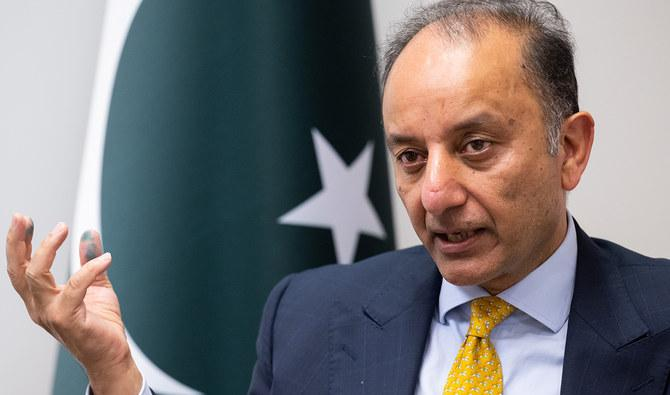
Malik’s remarks drew positive reactions from several Indian writers and social media users.
In his speech, Malik said that speaking in English while standing just a few steps from the tomb of Mirza Ghalib felt unfamiliar to him. He therefore chose to speak in Urdu, which he described as a common language shared by the people of the two countries.
He identified Delhi, Lucknow and Lahore as important centres of the shared literary, poetic and cultural history of India and Pakistan, stressing the deep-rooted cultural connections between the people of the region.
His remarks prompted positive reactions from several Indian cultural figures and social media users. Ghazala Wahab, an Indian writer and journalist, praised the Pakistani minister’s style of expression and described his speech as an example of “Ghalib diplomacy.”
Other Indian users also said Malik’s remarks were a reminder of the literary and linguistic ties between the two countries, stressing that shared cultural heritage could preserve connections between their peoples beyond political differences.
Mirza Asadullah Khan Ghalib, a renowned poet of the Indian subcontinent, was one of the prominent figures in Persian and Urdu literature. Persian held an important place in his works and literary thought, and his legacy remains part of the historical connection between Persian culture and the Indian subcontinent.
The first Shanghai Cooperation Organisation Dialogue of Civilizations meeting was held in New Delhi from 29 Aqrab to 1 Qaws. The visit also marked the first trip by a Pakistani minister to India in three years. The two countries have maintained strained relations since gaining independence in 1947, particularly over the Kashmir issue.