Analysis
-
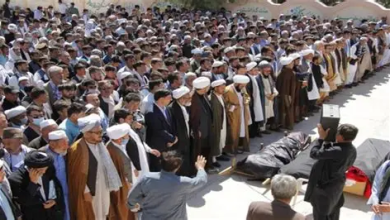
Targeted Attacks on Shiites Reflect Longstanding Security Failures in Afghanistan
DID Press: Afghanistan is a country with deep ethnic and religious diversity, but over recent decades this diversity has rarely been treated as a national asset and has instead been framed through political and security rivalries. As a result, religious…
Read More » -
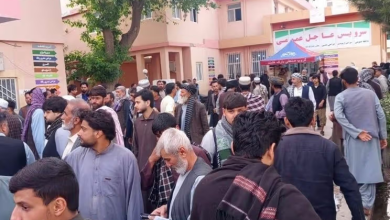
National Mourning in Herat: Tragedy Tests Afghanistan’s Unity and Resolve
DID Press: A devastating and heartbreaking tragedy in the historic city of Herat has left a blood-stained image of sorrow on the face of Afghanistan—an Event portrayed not as an isolated incident, but as a deep wound on the body…
Read More » -

Mohaqeq’s Letter to Munir Highlights Afghanistan’s Political Fluidity
DID Press: Interaction with anti- figures can serve as leverage over Kabul’s rulers. However, these actions mostly reflect tactical flexibility rather than a fundamental shift in Pakistan’s policy. Islamabad continues to recognize the Taliban as the de facto authority in…
Read More » -
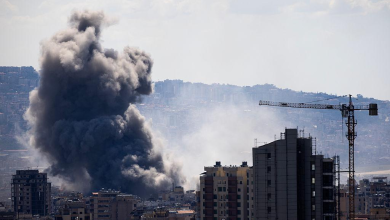
Analysis: Israel’s Deadly Strikes on Lebanon and Implications for Iran–US Truce
DID Press: Following Israel’s extensive military attacks on Lebanon and their potential impact on the ongoing Iran–US Truce, multiple analyses have emerged on the motivations and consequences of these developments. In this context, Dr. Abdelrazak Makri published a detailed commentary…
Read More » -
Strategic Defeat for Trump, Triumph for Iran
DID Press: Forty days into conflict that US President Donald Trump described as “a short war to destroy an entire civilization,” Washington has been compelled to accept Tehran’s ten-point plan as the basis for negotiations. This historic reversal, regardless of…
Read More » -
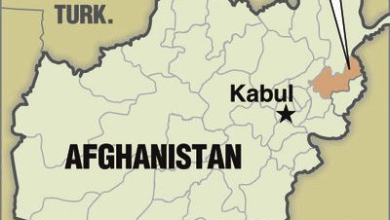
Open Kabul–Islamabad Conflict: Nuristan Encircled as Regional Security Puzzle Deepens
DID News: The remote valleys of Nuristan, covering the Hindu Kush section of the colonial Durand Line, have become the scene of one of the deadliest and most complex confrontations between Afghanistan and Pakistan over the past two months. The…
Read More » -
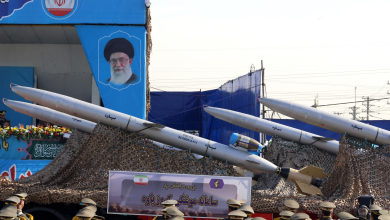
Strategic Defeat for US, Resounding Victory for Iran and Resistance
DID Press: Once again, United States has made a grave strategic error in its calculations against the Islamic Republic of Iran. Washington had declared three main objectives for its military intervention: “regime change in Iran, halting the peaceful nuclear program,…
Read More » -
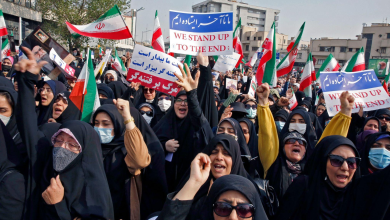
Why US Cannot Defeat Iran
DID Press: Thirty-eight days into the conflict, Iran has grown stronger than in the first month. Both on the battlefield and in public spaces, the United States and Israel face increased pressure. Islamic jurisprudence serves as a central motivator for…
Read More » -
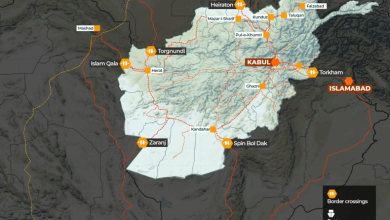
Central Asia Emerges as Afghanistan’s Strategic Corridor Out of Trade and Economic Deadlock
DID Press: Central Asia has the potential to meet Afghanistan’s fundamental energy needs. Currently, Afghanistan imports approximately 6.5 billion kilowatt-hours of electricity annually, with more than 70 percent supplied by Central Asian states—particularly Uzbekistan and Turkmenistan. Afghanistan’s economy, as one…
Read More » -
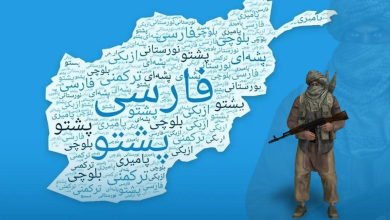
Taliban’s Language Policy Sparks Cultural Identity Concerns in Afghanistan
DID Press: Taliban have not provided clear criteria for which words are considered “foreign” or how replacements should be determined. This lack of clarity raises the risk of subjective interpretations at different administrative levels, potentially causing inconsistent implementation. Such a…
Read More »