SCO Without Afghanistan; Taliban Caretaker Government Remains Globally Isolated
DID Press: The 25th Shanghai Cooperation Organization (SCO) summit convened Monday, September 1, in Tianjin, China. One of the key agenda items was the crisis in Afghanistan. Despite the country’s central relevance, the Taliban’s caretaker government was once again excluded, failing to secure Afghanistan’s seat in the regional bloc—a reflection of the group’s diplomatic failures and deepening international isolation.
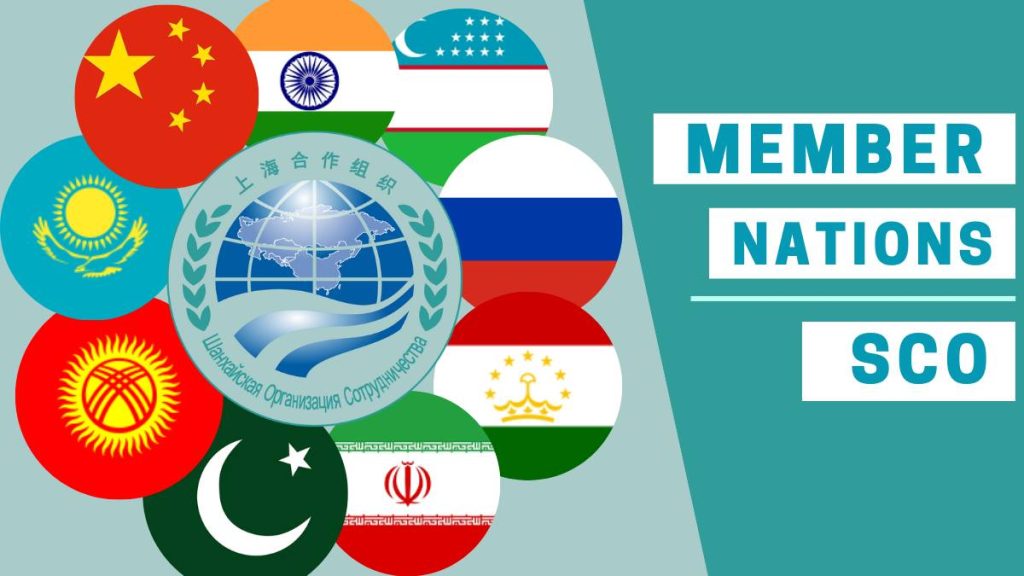
This year’s summit focused on strengthening regional cooperation, promoting sustainable development, addressing common security threats, and supporting a rules-based multilateral order. China’s “Five Shared Houses” initiative—covering unity, peace, development, good-neighborliness, and justice—was also on the agenda. While Afghanistan remained a core topic, the absence of a Taliban representative underscored the lack of trust among SCO members.
Many member states are concerned about the security implications of Taliban rule. The strong presence of terrorist groups in Afghanistan and the risk of regional spillover have diminished confidence in the caretaker government’s commitment to counterterrorism. A recent trilateral meeting in Kabul between China, Pakistan, and the Taliban government was heavily influenced by these security concerns, failed to meet Kabul’s expectations.
Despite close ties with certain regional powers, including Russia and China, major obstacles remain to legitimizing the Taliban government. While Moscow has recognized the caretaker administration, it has expressed ongoing concerns over the tens of thousands of militants operating in Afghanistan. Similarly, China’s recent engagements have prioritized regional security and border threat management over formal recognition.
Analysts argue that U.S. pressure, including leveraging the UN Security Council to restrict foreign travel for Taliban officials, played a key role in preventing their participation at the SCO summit. Notable examples include the cancellation of Foreign Minister Amir Khan Muttaqi’s trip to Islamabad and India’s withdrawal of its travel approval request to New Delhi. These restrictions reflect the significant global opposition the Taliban government continues to face.
External pressure, however, is not the sole reason for the Taliban’s exclusion. Even countries with the highest levels of engagement openly cite the group’s failure to curb terrorism and address security concerns. Many observers note that the interim government has not effectively combated extremist groups and, in some cases, maintains overt and covert relationships with them.
Overall, the Taliban’s absence from the SCO summit highlights the ongoing isolation of the group in regional and international affairs. The repeated failure to regain Afghanistan’s seat demonstrates that, without fundamental changes to domestic and foreign policy, credible counterterrorism guarantees, protection of citizen rights, and verifiable human rights commitments, the Taliban’s path back to international legitimacy remains unattainable—even among allied states.
By Mohsen Mowahed