Afghanistan Migration Crisis: Deep Roots, Heavy Consequences
DID Press: Migration is not a cause but a consequence, rooted in structural problems. Economic poverty, insecurity, and the absence of social justice remain the driving forces behind Afghanistan’s migration crisis. Without addressing these fundamental factors, the idea of halting migration is nothing more than an illusion.
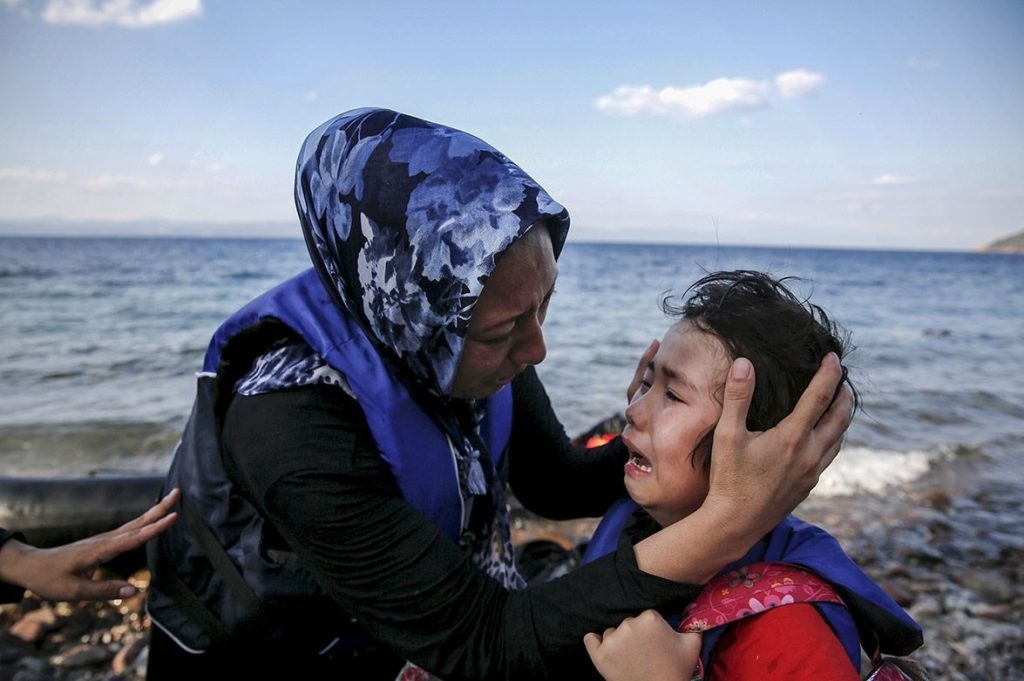
For over four decades of war, insecurity, and deprivation, Afghanistan has become the epicenter of one of the world’s largest migration crises. This phenomenon has reshaped the country’s demographic identity and socio-economic fabric, manifesting itself in three distinct waves that today present both regional and global challenges.
The first wave began with the Soviet invasion in the 1980s, which dragged the country into war and forced millions of Afghans to flee to neighboring states and beyond.
The second wave took shape in the 1990s with the outbreak of civil war and the rise of Taliban. Life became unbearable for many, making migration an unavoidable choice.
The third wave followed collapse of the Republic in August 2021. The withdrawal of international forces and the Taliban’s return to power triggered a new surge of despair and exodus, the full scope of which has yet to emerge.
Reports suggest around 10 million Afghanistan people are now dispersed across the globe. Chronic poverty, widespread unemployment, lack of educational and healthcare facilities, and persistent insecurity form the roots of this crisis. These factors have created a vicious cycle, making migration seem like the only viable option.
The consequences for Afghanistan have been devastating. The departure of elites, professionals, and skilled workers has crippled the country’s development cycle, depriving society of its most valuable human capital.
Successive governments—including the Taliban caretaker administration—have failed to address the problem, relying instead on rhetorical calls for returnees without providing the necessary infrastructure, often exacerbating the crisis.
Migration, then, is a symptom of deeper structural ailments. Only sustainable economic development, reliable security, and equitable opportunities can help reduce it.
Investments in education, healthcare, and employment—coupled with genuine social justice—could restore hope and transform migration from a forced necessity into a matter of choice.
Afghanistan also requires a rebuilding of trust between the state and its people. Inclusive policies that respect cultural and social diversity are essential to bridging the deep divides.
The international community, too, has a role to play. Support for Afghanistan’s development and economic programs must be seen as part of the broader solution to the migration crisis at its source.
By Ahmad Zaki Navisa – DID Press Agency