Global Divide Over Taliban: Engagement or Pressure?
DID Press: A recent UN Security Council session once again highlighted deep divisions within the international community over how to deal with Afghanistan’s Taliban authorities. While the United States stressed pressure, calling the group “untrustworthy,” Russia insisted engagement was the only viable option, China criticized travel restrictions on Taliban officials, and Afghanistan’s representative warned that legitimizing the group would endanger the country’s future.
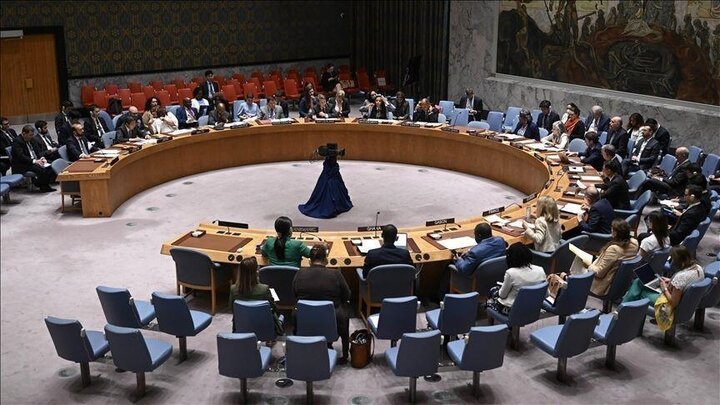
The debate revealed more discord than consensus.
Washington’s envoy, John Kelly, accused the Taliban caretaker government of detaining foreign nationals, neglecting public needs, and failing to counter terrorism. He said it was time to hold the Taliban accountable and urged the Security Council to activate tools of pressure.
Moscow’s representative, Vasily Nebenzya, struck a different tone. While expressing concern over Islamic State Khorasan’s activities, he blamed U.S. sanctions for weakening regional engagement and argued that “threats and pressure will lead nowhere.” Russia instead called for patience and gradual engagement.
Pakistan presented what it described as alarming figures, claiming at least 60 terrorist safe havens operate inside Afghanistan, hosting groups including IS, al-Qaeda and Tehrik-e Taliban Pakistan. Its envoy urged the Council to act against illegal arms trafficking and cross-border militancy.
China sharply criticized U.S. policy, arguing that travel bans on Taliban officials obstruct international engagement. Beijing called on the Taliban to respect women’s rights but stressed that humanitarian aid must continue “without politicization.”
Afghanistan’s representative, Naseer Faiq, issued the most direct warning. He cited internet restrictions, suppression of protests, widespread human rights violations and the dismantling of education programmes under Taliban rule, urging the international community not to normalize the group. Engagement, he said, must be conditional and principled; otherwise, ordinary Afghans would pay the price.
Nearly four years after the Taliban’s return to power, the lack of a unified global strategy remains stark. The U.S. emphasizes pressure, Russia favors engagement, China calls for easing restrictions, and Afghan representatives demand conditionality. Analysts warn such fragmentation not only complicates efforts to resolve Afghanistan’s crisis but also allows the Taliban to exploit geopolitical rifts to consolidate their grip on power.
Observers say the international community must eventually strike a balance between pressure and engagement — one that does not sideline the Afghan people. Without it, the twin challenges of legitimacy and instability are likely to persist.