$13 Billion Aid to Afghanistan: Conflicting Narratives on Taliban’s Role
DID Press: UN says billions in international aid to Afghanistan have been delivered without Taliban involvement — but reports from other agencies point to widespread interference by the group in humanitarian operations, raising serious questions about the independence of relief efforts.
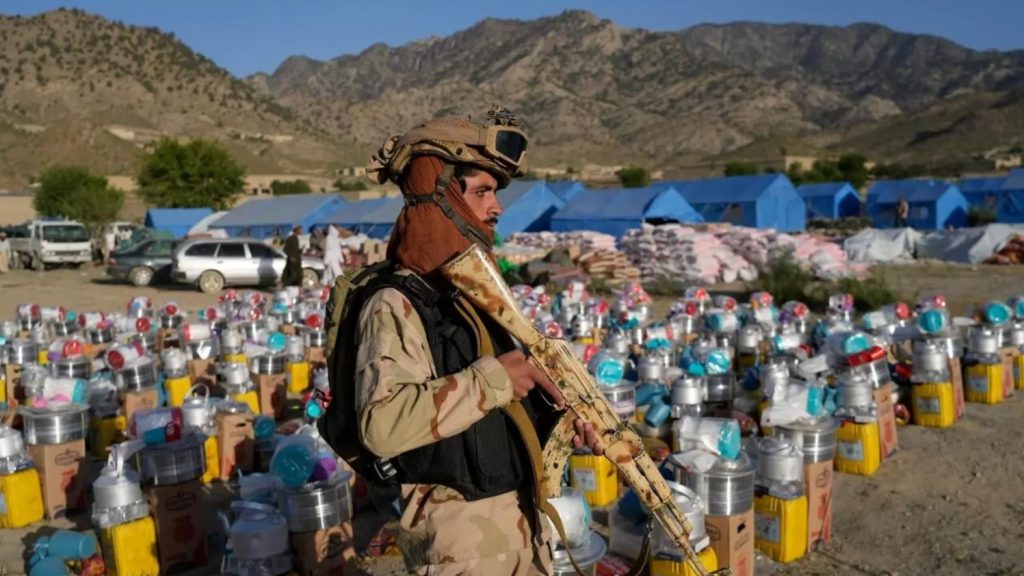
Roza Otunbayeva, the UN Secretary-General’s Special Representative for Afghanistan, told the Security Council that since 2021 some $13 billion in international assistance has been allocated to the country. Of this, $7.9 billion went to humanitarian relief, while $4.9 billion was used to meet people’s basic needs. She stressed that the aid was distributed largely under UN supervision and “without the intervention of the Taliban authorities.”
Yet other international bodies have painted a starkly different picture. The UN Office for the Coordination of Humanitarian Affairs (OCHA) reported that in July alone, it recorded 104 incidents of interference in aid delivery, 95% of them linked to Taliban officials. These incidents included attempts to control hiring, influence the selection of beneficiaries, demand sensitive data, and impose restrictions on women and girls.
The U.S. Special Inspector General for Afghanistan Reconstruction (SIGAR) also highlighted Taliban pressure on aid agencies, accusing the group of blocking deliveries to Hazara and Tajik communities and even demanding the dismissal of Hazara staff from humanitarian organizations.
The conflicting narratives raise pressing questions about transparency, the extent of Taliban involvement, and the effectiveness of oversight mechanisms. What remains clear, however, is that amid a deepening humanitarian crisis and political turmoil, ordinary Afghans continue to bear the heaviest cost of both international disputes and Taliban interference.