Trump’s Asia Tour Tests US Bid to Reclaim Influence from China
DID Press: US President Donald Trump’s first Asian tour of his second term is being seen as more than a routine diplomatic trip — it marks a renewed push by Washington to redefine its role in Asia’s shifting balance of power, now dominated by strategic rivalry with China.
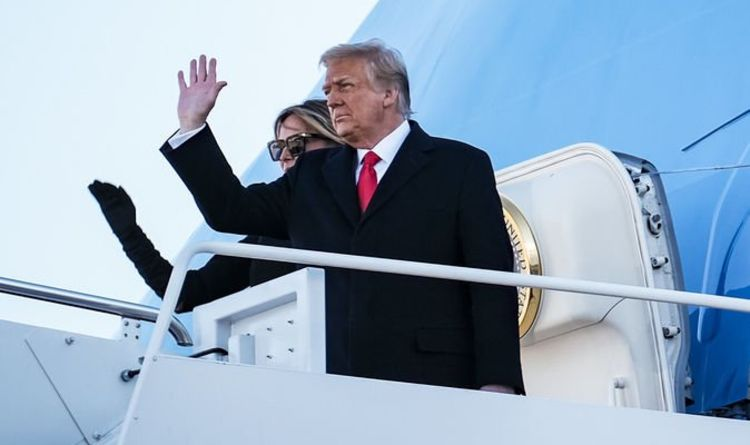
The tour includes visits to Malaysia, Japan and South Korea, capped by a meeting with Chinese President Xi Jinping on the sidelines of the APEC summit. Trump’s agenda spans trade, regional security and geopolitical alignment, signaling an attempt to restore US leadership in a region where Beijing’s influence has deepened.
Rebuilding U.S. clout amid China’s challenge
After pursuing an “America First” policy and withdrawing from several multilateral agreements during his first term, Trump returns to Asia facing a markedly different landscape. In the past five years, China has expanded its reach through the Belt and Road Initiative, strengthened its military capabilities, and tightened its diplomatic grip across the region.
To reassert influence, Washington must convince Asian partners that it remains both a reliable economic ally and a credible security guarantor. Trump is expected to press Japan and South Korea to maintain a united front in countering China while seeking new economic partnerships with Southeast Asian nations such as Malaysia and Thailand.
Yet analysts say Trump faces an uphill battle to rebuild trust after the U.S. withdrawal from the Trans-Pacific Partnership — a move seen as a major retreat that opened space for China’s trade diplomacy.
Economic front: competing for Asia’s markets
Trade and investment talks will dominate much of the trip. Trump’s upcoming meeting with Xi in APEC will focus on tariffs, technology cooperation and competition over global supply chains. Washington is pushing to reduce Asian economies’ dependence on China and promote new investment routes across the Indo-Pacific.
In Tokyo, Trump is expected to discuss joint investment initiatives with Japan’s prime minister, part of a broader U.S. effort to strengthen an “open and free Indo-Pacific economy.” In Kuala Lumpur, participation in the ASEAN summit offers a chance to mend ties with Southeast Asian states caught between Chinese capital and concerns over Beijing’s growing dominance.
Security: North Korea and Pacific deterrence
On security, Trump’s visit to Seoul will centre on renewed cooperation in response to North Korea’s latest missile tests. The U.S. aims to reinforce deterrence by expanding joint defence systems and intelligence coordination.
At the same time, increased Chinese naval activity in the South China Sea and regional arms buildup have prompted calls for a unified security framework among U.S. allies. Analysts warn that without consistency and multilateral engagement, U.S. policies could fuel tensions rather than stability.
Balancing trust and uncertainty
Asian governments have greeted Trump’s return with cautious optimism. Many welcome Washington’s presence as a counterweight to Beijing but remain wary of the unpredictability of U.S. foreign policy. ASEAN states, in particular, continue to pursue “balancing strategies” to avoid being drawn into the U.S.–China rivalry.
A test of leadership
Trump’s Asia trip is a crucial test of whether the United States can still lead in a transformed world order. If he succeeds in reassuring allies and maintaining dialogue with Beijing, Washington could regain footing as a central power in Asia. If not, analysts say, the region may continue to drift toward a China-centric future.
By Rahel Mousavi