UK Data Breach Killed 49 Afghanistani Colleagues
DID Press: At least 49 relatives and colleagues of Afghanistanis affected by UK Ministry of Defence mass data breach have been killed, finds a study submitted to the House of Commons Defence Committee.
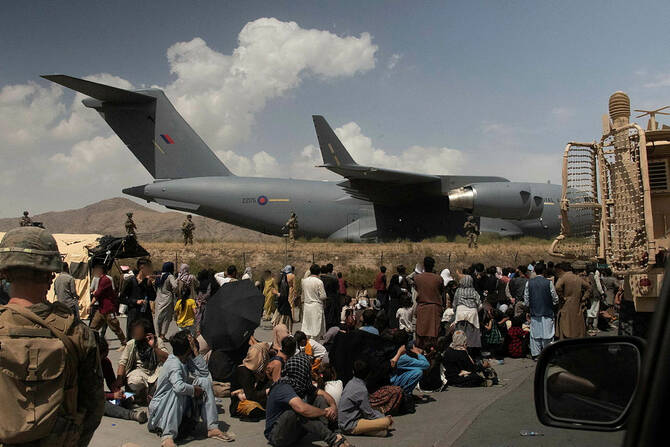
According to the report, of 231 people who learned that their personal information had been leaked, 49 said a family member or colleague had died as a result of the security failure.
The disclosure put roughly 100,000 Afghanistan people, who had worked with British forces over two decades, at risk of death. Daily Mail first revealed the breach in 2023, but the UK government initially blocked publication with a super-injunction order; which was lifted in July.
The study presented to the defence committee shows that 200 of the 231 respondents have received threats against themselves or their families. Of those, 99 reported direct death threats and 121 said their relatives in Afghanistan had been threatened by the Taliban.
Philip Ingram, a former British military intelligence general, called the figures “utterly shocking,” saying: “Heads should roll for this disaster.”
One of the Afghans described in the report — who served alongside British special forces — was attacked and tortured in July while fleeing the Taliban. The 34-year-old, a member of a unit known as “Triples,” also took part in the 2018 operation to free hostages at Kabul’s InterContinental Hotel.
The data leak occurred in February 2022, when a staff member at the special forces headquarters accidentally sent a file containing information on about 25,000 Afghanistani asylum applicants to an unauthorized recipient, from whom the data subsequently leaked.
The Ministry of Defence has confirmed that 49 data-protection breaches have been recorded so far in the unit responsible for relocating Afghanistani asylum applicants; some of the incidents were caused by human error and others by cyberattacks.
“Based on current assessments, it is unlikely that simply appearing on the leaked file would be sufficient reason to target someone,” said a Ministry of Defence spokesperson, citing the independent “Reimer review”.