Taliban Seeking Northern Balance as Pakistan Tensions Deepen
DID Press: Mohammad Yousuf Wafa, Taliban governor of Balkh and a close aide to the group’s supreme leader, Hibatullah Akhundzada traveled to Tajikistan and Uzbekistan at a time when relations between the Taliban and Pakistan have hit their lowest point. The stalemate in the Istanbul talks and Islamabad’s growing threats have turned this trip from a routine provincial mission into a signal of a tactical shift in the Taliban’s foreign policy.
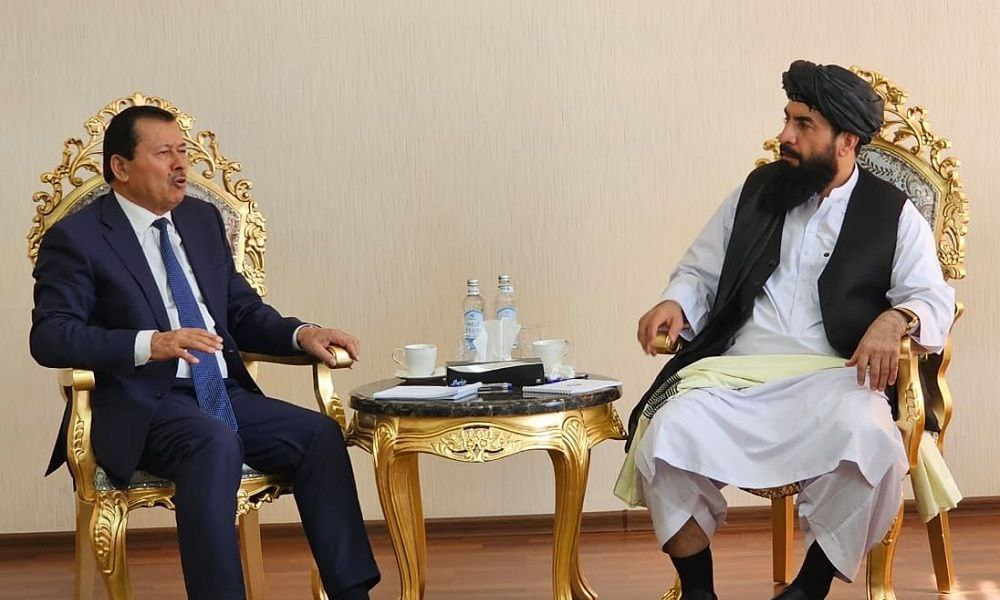
By dispatching Wafa to Afghanistan’s northern neighbors, the Taliban sought to demonstrate that it has alternative diplomatic channels to counterbalance Pakistan’s mounting pressure.
During his meetings with officials in Tajikistan and Uzbekistan, Wafa emphasized security cooperation and intelligence sharing, pledging that Afghan soil would not be used against any neighboring country. This message holds particular significance for Dushanbe, which remains concerned about IS-Khorasan and Tajik militants operating in northern Afghanistan. By highlighting cross-border coordination, the Taliban aims to project an image of responsible governance and simultaneously use these engagements as leverage to reduce Islamabad’s pressure.
Strategically, the Taliban pursued three objectives through this northern outreach:
Sending a warning to Pakistan that Afghanistan has political and security alternatives;
Building trust with Central Asian states for joint border and counter-extremism efforts;
Repairing its international image by showing readiness for constructive regional engagement.
However, these goals appear more tactical than structural — designed to buy time and ease short-term diplomatic strain rather than signal a long-term realignment.
Tajikistan and Uzbekistan have reacted cautiously. Neither recognizes the Taliban government, and both maintain limited, security-focused contacts. Dushanbe, while engaging in border cooperation, still backs the National Resistance Front as a means of pressure. Tashkent, more pragmatic in tone, continues economic and transit cooperation but stops short of formal recognition. Both capitals understand that the Taliban’s outreach is primarily an attempt to offset its deteriorating relations with Pakistan — a dynamic they are reluctant to be drawn into.
The limits of the Taliban’s northern policy are also clear. The group lacks international legitimacy, and Central Asian governments remain wary of expanding engagement without legal or political guarantees. Deep-seated distrust toward the Taliban persists in Dushanbe and Tashkent, shaped by memories of the 1990s and fears of renewed extremism spreading from Afghanistan.
Moreover, the Taliban’s decision-making structure remains centralized, opaque, and institutionally fragmented, preventing the emergence of a coherent and reliable foreign policy.
In essence, Wafa’s visit to Tajikistan and Uzbekistan represents an emergency balancing act — an effort to escape geopolitical isolation amid a crisis with Pakistan. Yet the outreach to the north remains tactical and cannot replace structural ties with Islamabad. Unless the Taliban can elevate its northern diplomacy from symbolic engagement to sustained cooperation, this policy will remain largely symbolic and temporary.
Ultimately, Wafa’s trip is less the start of a new political chapter with Dushanbe and Tashkent, and more an attempt to ease Pakistani pressure through northern diplomacy. The Taliban hopes to use Central Asian engagement to project stability and strength, but its success will depend on the group’s ability to build mutual trust and intelligently manage the delicate balance between north and south. Any misstep could reignite instability in northern Afghanistan, embolden extremist groups, and trigger new border confrontations.
By Rahel Mousavi — DID Press Agency