Human Rights Crisis in Afghanistan: Women Restricted, Press Silenced
DID Press: Afghanistan continues to face a severe human rights crisis, with restrictions on women’s rights, freedom of expression, and legal protections, drawing international concern.
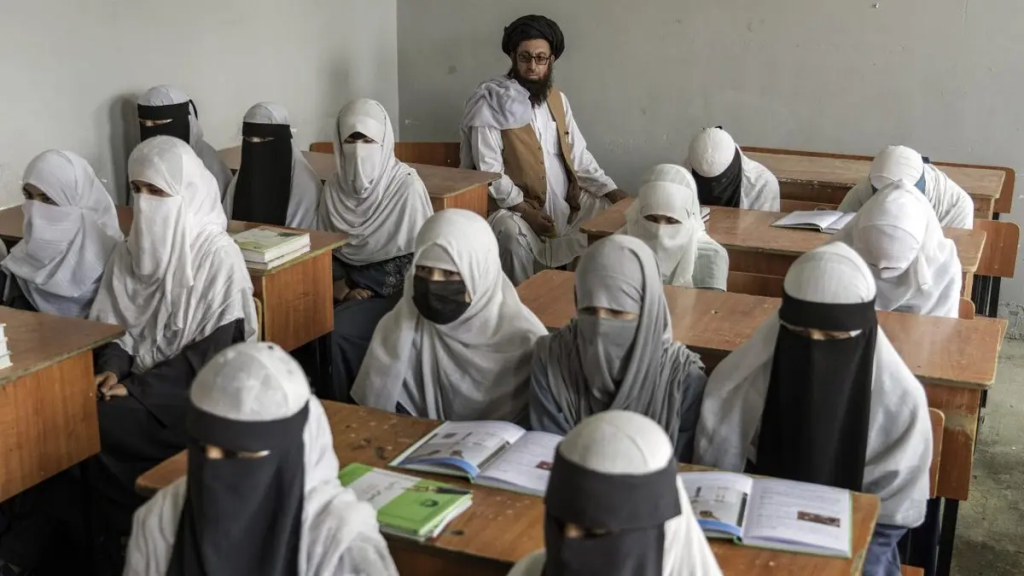
Women and Girls: Taliban policies continue to bar girls above sixth grade from attending school, leaving approximately 2.2 million girls without access to education. Women are excluded from many jobs and public activities, often requiring a male guardian for mobility. These restrictions reduce women’s economic participation, increase poverty, and threaten social stability.
Freedom of Expression and Press: Journalists and media workers face threats, arbitrary detention, and torture. In the first six months of 2025, over 256 arbitrary arrests and 130 cases of torture against journalists were reported. Many media outlets have shut down, and reporters have fled the country. Afghanistan ranked 178th out of 180 countries in the 2024 Press Freedom Index, illustrating extreme media suppression.
Arbitrary Detentions and Lack of Justice: Individuals opposing the Taliban are detained without judicial orders, often subjected to torture. Ethnic and religious minorities are vulnerable to targeted violence, discrimination, and forced displacement. Weak legal institutions and lack of accountability perpetuate impunity.
Regional and International Implications: Human rights violations have caused millions of Afghans to flee, straining neighboring countries’ refugee systems. International sanctions, travel restrictions, and diplomatic pressure aim to hold the Taliban accountable. The International Criminal Court has issued arrest warrants for Taliban officials accused of crimes against humanity, including systematic violations of women’s and minority rights.
This multifaceted crisis demonstrates that Afghanistan’s human rights challenges are not only domestic but have broader regional and global impacts. Without effective mechanisms for accountability, protection of freedoms, and enforcement of women’s and minority rights, repression risks becoming normalized.