Taliban Seeking Trade Expansion with India as Pakistan Ties Stall
DID Press: Taliban administration is seeking to expand trade relations with India, describing the country as a “suitable market” for Afghan agricultural products, as commercial ties with Pakistan remain effectively frozen amid political tensions and border closures.
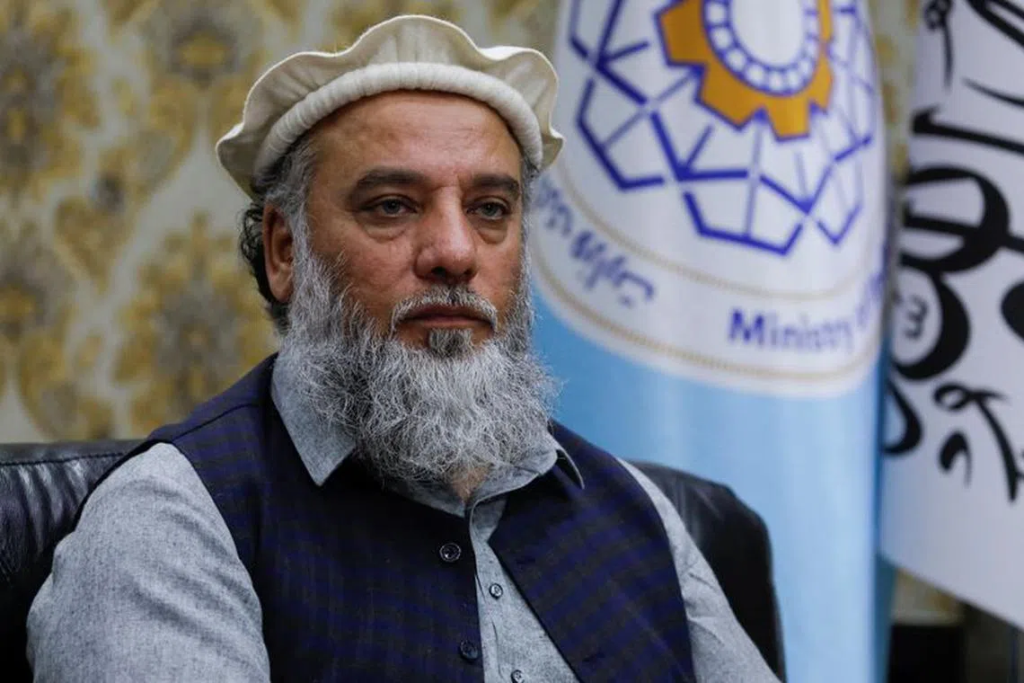
Speaking on Friday in an interview with Taliban-run National Television, Nooruddin Azizi, the Taliban’s acting Minister of Commerce, said India’s large population and economic capacity make it a key potential trading partner for Afghanistan. He stressed that the current bilateral trade volume—estimated at $1bn—should be significantly increased.
Azizi, who recently led an economic delegation to India, reiterated that Kabul aims to raise trade levels beyond their current scope. He said Afghanistan’s agricultural products have strong export potential in the Indian market and could partially compensate for trade losses resulting from disrupted commerce with Pakistan.
The remarks come as Taliban–Pakistan relations have deteriorated sharply in recent months. All major border crossings and ports between the two countries remain closed, bringing bilateral trade to a standstill.
Analysts say the Taliban’s economic pivot toward India could carry new geopolitical implications for the region and reshape Afghanistan’s traditional trade patterns.
These economic developments coincide with a series of controversial political statements by senior Taliban officials. Interior Minister Sirajuddin Haqqani recently acknowledged the group’s reliance on “fear and violence” in governance, while Deputy Prime Minister Abdul Kabir warned that global opposition to the Taliban could have wider consequences. Meanwhile, Turkish President Recep Tayyip Erdoğan has signaled readiness to help sustain a ceasefire between the Taliban and Pakistan.
Observers argue that these combined developments indicate the Taliban’s effort to consolidate internal control while redefining regional economic and political engagement—an approach that continues to face serious human rights concerns and sustained international pressure.