Netanyahu: Israel’s Regional War Plan Drafted Years Before October 7
DID Press: Israeli PM Benjamin Netanyahu has acknowledged that Israel’s military strategy to reshape the Middle East—through the elimination of Hamas, confrontation with Hezbollah, and ultimately Iran—was formulated years before the October 7 Al-Aqsa Flood operation. He stressed that the war in Gaza is not a spontaneous reaction, but rather an accelerated implementation of a long-prepared strategic plan.
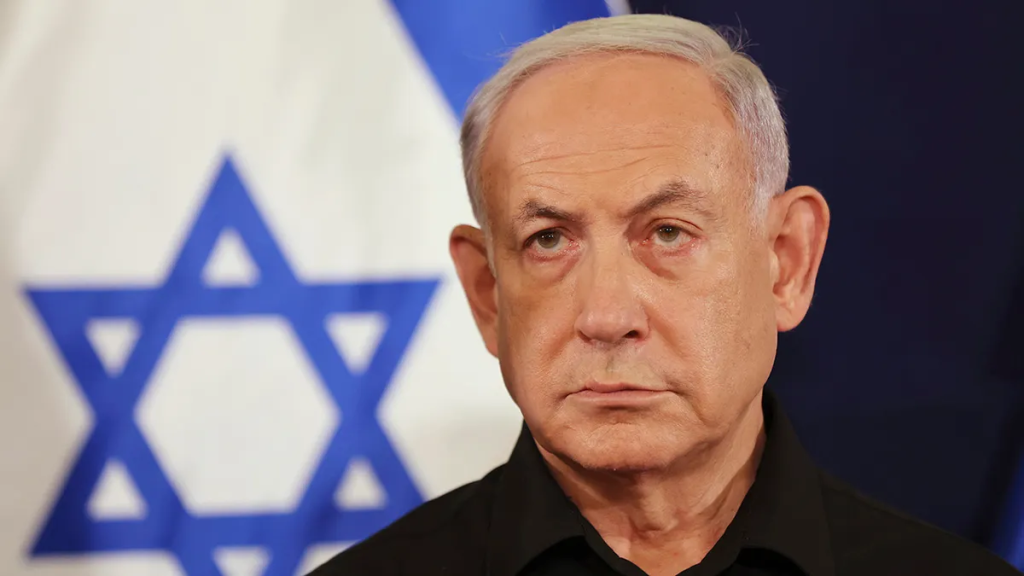
Speaking to diplomats on December 7, Netanyahu reiterated a position he had first outlined one day after the October 7 attacks, saying that Israel’s core objective is the “redesign of the Middle East.” According to him, this strategy rests on dismantling Hamas, countering Hezbollah, and preparing for a broader confrontation with Iran.
Netanyahu revealed that in the aftermath of the October 7 attacks, Israel’s war cabinet debated launching an immediate strike on Lebanon. However, the decision was made not to open two fronts simultaneously. Instead, Israel placed Lebanon under what he described as “active deterrence,” while concentrating its full military force on Gaza, with the intention of returning north after Hamas is defeated.
Meanwhile, the Israeli newspaper Yedioth Ahronoth reported that in 2022, Israel’s Southern Command had proposed a preemptive strike on Gaza. The plan was rejected by political and military leaders, who at the time were prioritizing preparations for a larger confrontation involving Hezbollah and Iran.
These disclosures suggest that Israel had developed a phased strategic roadmap well before October 7: first neutralizing Gaza, then confronting Hezbollah, and ultimately moving toward Iran. Analysts argue that current regional developments are not merely a response to the hostage crisis, but rather the acceleration of a long-standing strategic design.
Conditions on the ground appear to reinforce this assessment. Mass displacement, widespread destruction of civilian infrastructure, and escalating regional tensions are increasingly viewed not as consequences of the October 7 operation alone, but as outcomes of strategic decisions made years earlier. In this sense, October 7 did not create a new trajectory—it hastened the execution of an existing one.