Gunless Warfare: TTP’s New Intelligence Initiative
DID Press: Tehreek-e-Taliban Pakistan (TTP) recently issued a statement through an entity known as the “Intelligence Bureau” (TIA), signaling a clear strategic shift. Released in an official format with quasi-governmental language, the statement emphasizes intelligence gathering, citizen participation, and the religious sanctification of espionage. This marks the group’s transition from conventional warfare toward an information-centric approach.
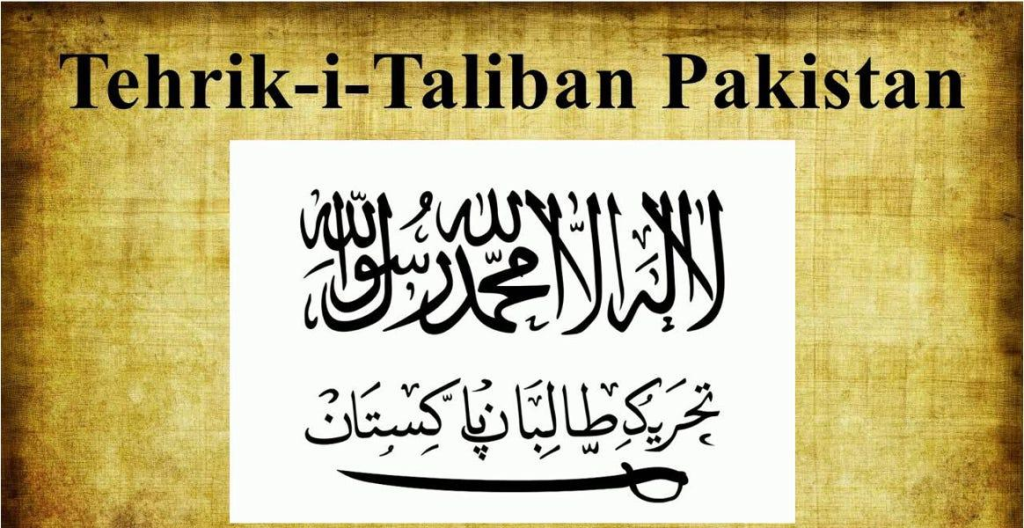
The announcement of the newly formed TTP intelligence unit is not merely a routine recruitment call; it reflects an overt attempt to change the security landscape by shifting from classical warfare to an information war. Presented as a “founding document and call for cooperation,” the TIA statement directly calls on the public to participate in intelligence gathering against Pakistan’s security apparatus.
Espionage as Sacred Duty
Within the document, intelligence work is framed not just as a security task but as a “higher form of jihad”—a low-cost, high-impact strategy compared to direct military operations. This framing forms the core message, indicating that TTP leadership is redefining its combat tools.
A significant challenge for this initiative is the deeply rooted taboo around espionage within traditional Pashtun society, where spying has long been associated with betrayal and dishonor. Acknowledging this cultural sensitivity, the statement invokes historical and religious narratives, citing figures like Salahuddin Ayyubi, and equates intelligence work with martyrdom. By portraying intelligence operatives as “hidden soldiers,” “defenders of faith,” and “guardians of the homeland,” the TTP seeks to confer religious and social legitimacy upon spies.
Strategic and Operational Implications
Strategically, the document implicitly acknowledges TTP’s limitations in conventional engagements against Pakistan’s organized military. Emphasizing the ineffectiveness of “guns and artillery” against modern armed forces, the leadership is turning to intelligence superiority to compensate for this gap. According to the statement, precise, targeted strikes based on high-quality intelligence are more destructive than protracted conventional conflict, marking a clear shift toward “smart warfare.”
A controversial element is the explicit call for participation by all citizens—men and women alike. For a group rooted in Deobandi ideology, this represents a significant cultural shift. The aim is to expand the intelligence network into areas traditionally inaccessible to male operatives, including residential neighborhoods and domestic spaces, effectively transforming society into a dispersed, low-cost intelligence apparatus.
Potential Weaknesses
However, this approach also presents vulnerabilities. Expanding the network to include every citizen reduces operational security, increasing the likelihood of infiltration by rival intelligence services and contamination of collected data.
Politically, the creation of a formalized “Intelligence Bureau” and the use of bureaucratic language reflects TTP’s attempt to project the image of a “shadow state,” positioning itself as a responsible security authority while depicting Pakistan’s army as an “impure force” responsible for instability and violence. This inversion is a deliberate effort to undermine state legitimacy and redefine friend-foe boundaries in the public consciousness.
Conclusion
Overall, the TTP statement functions more as a socio-cultural and narrative tool than a purely operational directive. It seeks to rewrite entrenched norms in Pashtun society, convert fear and stigma into religious motivation, and establish the social infrastructure for a long-term information war. If this trajectory continues, future conflicts in Pakistan may increasingly manifest not as indiscriminate military operations but as targeted assassinations, intelligence penetrations, and narrative-driven battles.
International – DID Press Agency