Israel, Egypt Sign $35B Gas Deal amid Political-Security Stakes
DID Press: Israel and Egypt recently signed a long-term agreement for the export of natural gas from Israel’s offshore Leviathan field to Egypt. The deal is valued at approximately $35 billion and envisions gas being transferred via existing infrastructure to Egypt’s liquefaction facilities, with part used for domestic consumption and the remainder for re-export to international markets.
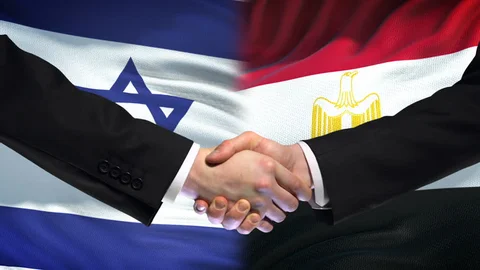
The contract, running until around 2040, is one of the largest energy deals between the two countries and strengthens their positions in Eastern Mediterranean energy dynamics.
From Economic Agreement to Political Announcement
Although the deal may appear purely economic, the timing, presentation, and stakeholders involved indicate significant political, security, and geopolitical dimensions. Israeli Prime Minister Benjamin Netanyahu announced the deal amid rising domestic political pressures, signaling an attempt to frame the energy contract as a political achievement.
Negotiations began months earlier between Leviathan’s operators, particularly the U.S. company Chevron and Israeli partners, with Egypt. Political sensitivities and regulatory approvals within Israel, rather than technical issues, were the main hurdles. The U.S. played an indirect role in accelerating approval, aligning the deal with Washington’s strategy to stabilize Eastern Mediterranean energy markets.
Stakeholders and Revenue Distribution
The $35 billion figure does not represent direct revenue to the Israeli government. Significant portions of the income will cover development, drilling, and transfer costs, as well as partner shares. Taxes and royalties are subject to global gas prices, meaning the government’s net revenue is variable. The long-term nature of the contract spreads earnings over decades, limiting immediate fiscal impact. Critics warn that large-scale exports without adequate safeguards could strain the domestic market and keep local prices high.
Why Egypt?
Egypt’s advanced gas liquefaction infrastructure makes it a natural partner and regional energy hub. The agreement provides Israel with indirect leverage, as part of Egypt’s energy security will depend on gas imports from Israeli fields.
Gas as a Security Tool
Eastern Mediterranean gas fields and pipelines are highly strategic. Any escalation of tensions could make these assets targets, imposing hidden security costs on Israel. At the same time, exporting gas links regional stability to Israel’s interests, though this connection is fragile and politically sensitive.
Opposition and Unanswered Questions
Within Israel, opposition parties, parliamentary committees, and environmental groups are calling for more transparency. Concerns include the use of gas revenues as short-term political tools, delaying the transition to renewable energy, and potential unequal benefit distribution.
Conclusion
While the Israel-Egypt gas deal may become one of the region’s largest energy agreements, it exemplifies the intersection of economics, security, and politics. Until questions about transparency, benefit distribution, domestic market protection, and environmental impacts are addressed, the deal remains a geopolitically sensitive and potentially contentious arrangement in the Eastern Mediterranean.
International Desk – DID Press Agency