Trade Suspension Hits Afghanistan Harder than Pakistan
DID Press: Pakistan’s Dawn newspaper reports that the suspension of trade between Afghanistan and Pakistan for more than two and a half months has placed significant economic pressure on Kabul, with Afghanistan’s export losses estimated to be several times greater than Pakistan’s.
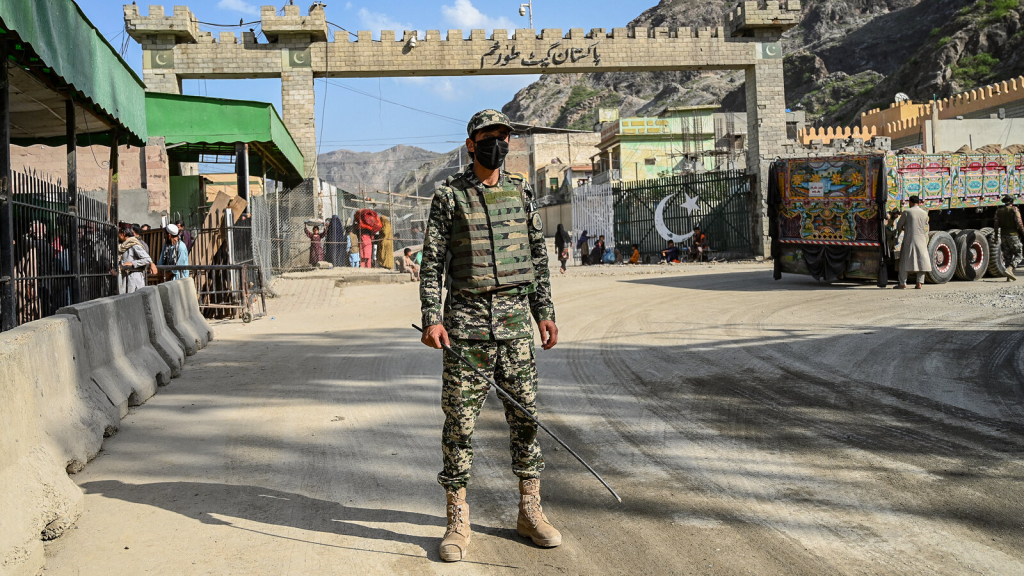
The disruption began after tensions escalated over the activities of Tehrik-i-Taliban Pakistan (TTP) and negotiations between the two countries stalled on 7 November. Pakistan had earlier closed border crossings following clashes in October.
According to trade data cited in the report, Afghanistan’s export losses since 10 October are estimated at around 10 percent, equivalent to USD 173 million. By comparison, Pakistan’s losses are assessed at just 0.6 percent, or approximately USD 222.5 million. Dawn notes that Afghanistan’s reliance on a limited number of export routes makes it particularly vulnerable to border tensions.
The report adds that 46 percent of Afghanistan’s exports are destined for Pakistan, with a significant share then transiting via the Wagah border into India. Meanwhile, Afghanistan accounts for only 3.46 percent of Pakistan’s total global exports. India absorbs about 40 percent of Afghanistan’s exports, while Iran, Uzbekistan, and Tajikistan together represent less than 6 percent.
Although Afghanistan can redirect portions of its imports to Iran, India, and Central Asia, finding alternative markets for fruits and vegetables — which the World Bank estimates comprised 71 percent of Afghanistan’s exports in 2024 — will be far more difficult.
The newspaper also notes that Pakistan’s exports to Afghanistan, which had declined in 2022, rebounded in 2023 and 2024 to reach USD 1.39 billion. Pharmaceuticals, rice and cement remain among Pakistan’s principal export items.
Citing Khan Jan Alokozai, chairman of the Afghanistan–Pakistan Joint Chamber of Commerce, the report states that Afghan traders are increasingly sourcing cement from Iran, Uzbekistan and Tajikistan, with Iranian cement priced below Pakistani products. Imports of medicines from Turkey, Uzbekistan, Iran and India are also rising. Nevertheless, Pakistani pharmaceuticals still account for 60–70 percent of Afghanistan’s market, though that share is now under pressure.