Global Economy 2026: Asian Momentum Reshapes Balance of Power
DID Press: A new assessment by the International Monetary Fund indicates that in 2026 the global economic landscape will remain dominated by the United States and China, while the rapid rise of emerging economies — particularly India, Indonesia, and Türkiye — is gradually redrawing the world’s economic balance. Despite geopolitical and energy challenges, Europe is expected to retain its position among the world’s top 10 economies.
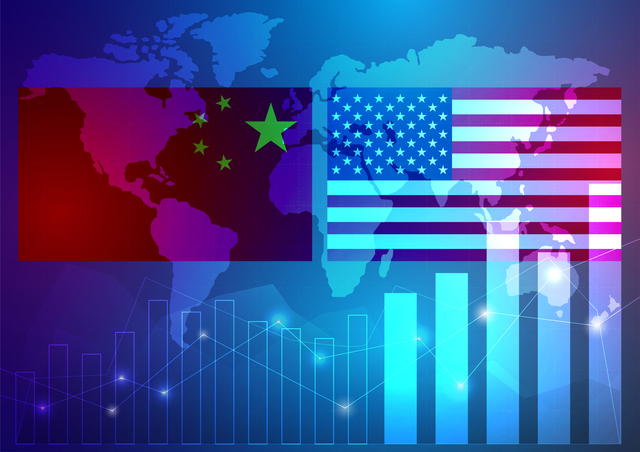
According to IMF projections, the United States will remain the world’s largest economy in 2026 with a GDP of USD 31.8 trillion, followed by China at USD 20.6 trillion. Germany, India, and Japan are forecast to occupy the third through fifth positions, reflecting a mix of long-established industrial powers and fast-growing Asian economies.
Within the top 20, countries such as Türkiye, Indonesia, Saudi Arabia, and Poland underscore the steady shift of economic weight from West to East, toward dynamic, population-driven markets.
At the same time, European economies including the United Kingdom, France, Italy, and Spain — despite inflationary pressures and the energy crisis — will continue to account for a significant share of global output.
The report paints a clear picture of the near-term outlook: intensifying competition among major powers, the ascent of emerging markets, and the effort by advanced economies to preserve their standing in a rapidly evolving global order.