DID Press: Iran’s preemptive security doctrine, as conceptualized and operationalized by Major General Qassem Soleimani, represents a fundamental redefinition of national security in the volatile geopolitics of West Asia. Moving beyond traditional border protection, the doctrine emphasized a “strategic depth” approach, identifying, containing, and managing threats before they could escalate into full-scale crises.
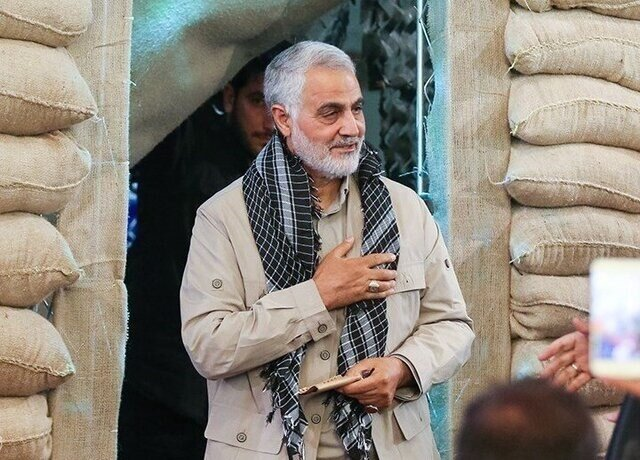
Soleimani transformed the notion of “defense beyond borders” from theory into practice, addressing transnational, asymmetric threats such as ISIS, Takfiri groups, and foreign interventions. Unlike conventional security models focused on standing armies and hard deterrence, his doctrine relied on three core principles: proactive preemption, networked strategic depth, and linking security to social legitimacy.
Preemptive measures under Soleimani were carefully distinguished from aggression, framing Iran’s regional presence in Iraq and Syria as deterrence to prevent instability from spilling into its territory. Operationally, the doctrine combined state and non-state actors, enabling rapid, flexible, and cost-effective responses to emerging crises. Its efficacy was notably demonstrated in counter-ISIS operations across Iraq and Syria.
Ultimately, Soleimani’s doctrine reflects an indigenous, context-sensitive approach to Iran’s national security, grounded in historical experience, field intelligence, and deep socio-political understanding of the region. Despite his assassination, the strategic principles of proactive engagement and regional depth remain central to Iran’s national security framework.
#Hero_of_the_Islamic_ummah