Targeted Killings Export Insecurity Beyond Afghanistan’s Borders
DID Press: Recent targeted attacks against Afghanistan political figures and activists abroad have renewed concerns over the “cross-border export of insecurity,” as violence linked to Afghanistan increasingly spills into host countries.
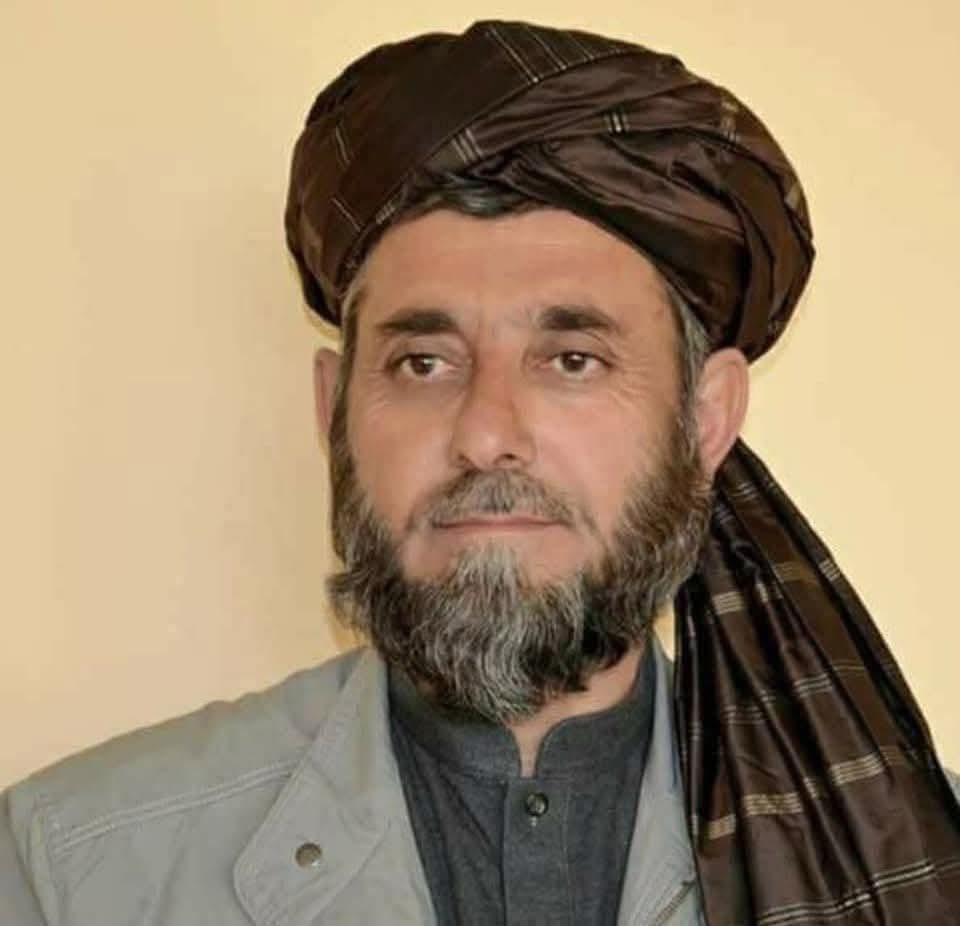
The attempted assassination of Keramuddin Reza Zada, a former member of Afghanistan’s parliament from Ghor province, in Karaj area of Iran, is the latest in a chain of incidents indicating that security risks facing Afghan politicians are no longer confined within national borders. Assailants on a motorcycle reportedly opened fire, wounding Reza Zada and triggering sharp reactions among exiled political circles.
Among those responding was Ata Mohammad Noor, who accused the Taliban of orchestrating the attack, describing it as a continuation of a strategy of assassination and physical elimination. The incident highlights a troubling trend that analysts characterize as the transfer of conflict from Afghanistan’s internal battlefields into the security environments of neighbouring states.
Following the political upheaval of August 2021, large numbers of political elites and former parliamentarians relocated to neighbouring countries—particularly Iran—seeking refuge from security threats. Many assumed that leaving Taliban-controlled territory would provide a “safe periphery” for personal security and continued civic engagement. Recent events, however, suggest that formal borders offer limited protection against the reach of extremist networks or revenge-driven cells.
Analytically, these attacks cannot be dismissed as ordinary criminal acts. They are increasingly interpreted as part of a strategy of “violent deterrence.” One core hypothesis is that the objective is to paralyse the exiled opposition: by targeting key figures in host countries, perpetrators signal that no sanctuary is safe for critics. This approach not only aims at physical elimination but also injects systemic fear into diaspora communities, undermining political organisation abroad.
At the same time, Afghanistan’s complex political landscape warrants consideration of alternative explanations. Deep-rooted ethnic and factional rivalries have not disappeared with exile. Some incidents may stem from long-standing vendettas or personal enmities that have found new space to surface amid today’s power vacuum. Moreover, the role of transnational extremist networks such as Islamic State – Khorasan Province cannot be ruled out. Such actors benefit from destabilising relations between Afghanistan and host states and may use targeted killings to disrupt regional security balances. Identifying perpetrators in this opaque environment poses a significant challenge for host-country security services, now under pressure to guarantee the safety of political refugees.
The implications extend beyond individual casualties. Continued attacks test the security credibility of host states. Failure to protect political refugees could trigger international and human-rights pressure and complicate bilateral relations with Kabul. The violence also weakens civic activism and severs links between exiled elites and their domestic social bases.
Overcoming this crisis will require sustained international political will and transparent intelligence cooperation among regional states. Until accountability is established and political costs imposed on those ordering such attacks, migration routes will not serve as sanctuaries but risk becoming new, unregulated theatres of conflict—further threatening regional stability.