Afghanistan Emerges as Key Security Partner for Iran Along Eastern Borders
DID Press: Border security is never the result of unilateral action; it stems from cooperation, interaction, and a shared understanding of threats. Afghanistan has demonstrated that neighboring countries can ensure each other’s security through collaboration and mutual respect, offering a model for other crisis-prone regions.
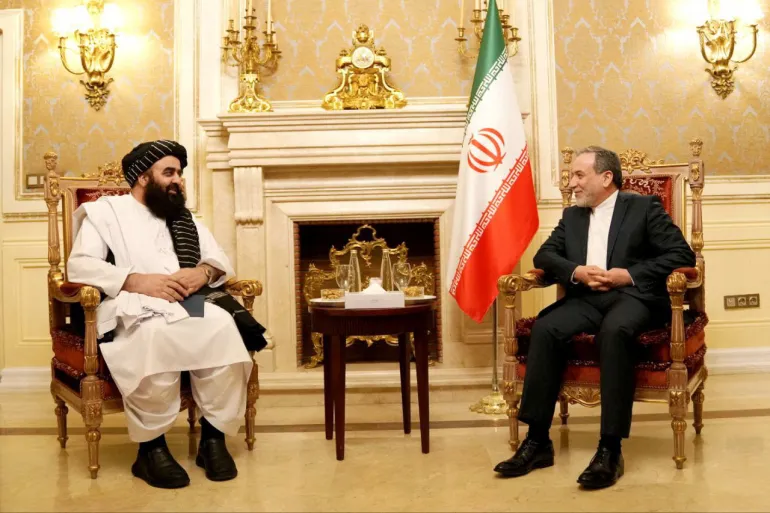
Afghanistan’s Role in Eastern Iran
Iran’s eastern borders with Afghanistan have long been among the most sensitive and strategically significant areas for regional stability and security. Recent experiences during the 12-Day War and the Ramadan conflict showed that these borders remained largely free of direct threats, a success largely attributed to Afghanistan’s role in maintaining border security.
In recent years, Afghanistan has gained significant experience managing its borders amid foreign military presence and regional pressures. This expertise has not only safeguarded Afghanistan’s internal security but has indirectly supported Iran’s eastern security. During recent conflicts, Afghanistan’s careful border management prevented the infiltration of foreign forces or armed groups, creating a secure environment along Iran’s eastern frontier.
From an Afghan perspective, this achievement stems from several key factors:
- Internal management and relative stability in border regions, preventing armed groups or external actors from crossing into Iran.
- Informal security cooperation and coordination with Iranian security agencies, reducing potential threats.
- Experience in confronting foreign forces, enhancing Afghanistan’s ability to manage regional security challenges.
It is important to note that border security is never the product of a single country’s efforts. By maintaining stability along its western borders, Afghanistan has shown that neighboring countries can guarantee each other’s security through mutual cooperation and respect. This model may serve as a lesson for other crisis-affected regions.
From a human and political standpoint, this success is invaluable. Securing Iran’s eastern borders reduces risks for civilians, limits the spread of violence, and curtails the influence of armed groups crossing into Iranian territory. Afghanistan has effectively acted as a border guardian, protecting its land while bolstering its neighbor’s security.
This experience demonstrates that stability and security in one country cannot be achieved without considering regional collaboration. Just as Iran has managed its western and northern borders, the stability of the eastern frontier owes much to Afghanistan’s positive role. Regional cooperation and joint threat management can reduce crises and enhance national security across the broader area.
Ultimately, Afghanistan’s perspective underscores that the country is not merely a victim of conflict but an active and effective partner in regional security. Supporting Iran’s eastern border security exemplifies Afghanistan’s capacity to manage security challenges and create stability for itself and its neighbors. This success offers a practical model for future regional cooperation and sends a clear message to international observers and policymakers: real security results from interaction, collaboration, and mutual respect among neighboring nations.