DID Press: As the US Embassy announced a new security agreement with Baghdad aimed at “strengthening Iraq’s security and sovereignty,” a series of security incidents and large-scale attacks over the past two days have raised serious doubts about the effectiveness and nature of the deal.
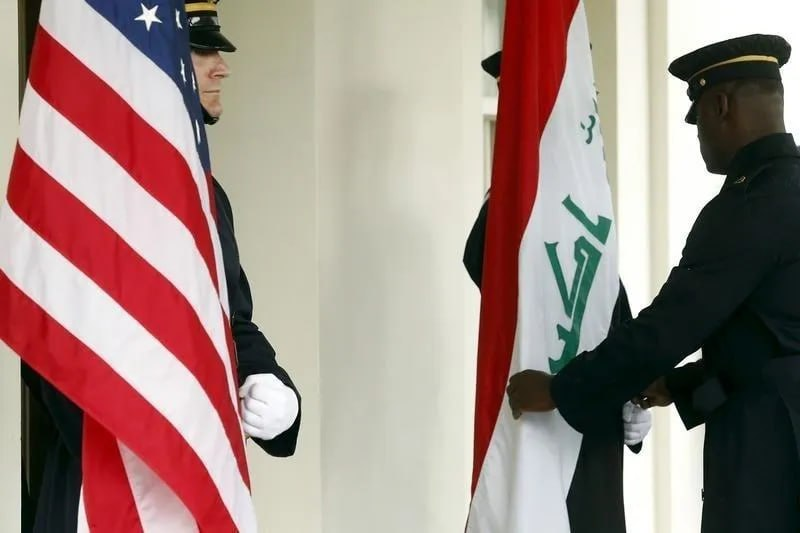
While the first meeting of the High Joint Coordination Committee was held on March 26, 2026, with the stated goal of preventing terrorist attacks and ensuring that Iraqi territory would not be used for acts of aggression, simultaneous developments suggested escalating instability rather than de-escalation.
Multiple explosions at Camp Victoria, near Baghdad International Airport, a drone strike in Duhok, and the announcement of 41 operations carried out by the Islamic Resistance in Iraq indicated that tensions have not subsided but have instead intensified.
At the same time, a drone attack targeting the residence of Nechirvan Barzani, President of the Kurdistan Region, sparked widespread concern about attempts to draw Iraq into broader regional conflicts.
Qasim al-Araji, Iraq’s National Security Advisor, described the attack as an effort to push the country into international wars.
Meanwhile, Prime Minister Mohammed Shia’ al-Sudani condemned the strike and stressed that Baghdad would not allow any internal or external party to turn Iraq into a battlefield.
In response to these developments, the Nujaba Movement labeled the new security agreement with the United States as a “cover for aggression” and called for its immediate cancellation. Sheikh Nazem al-Saeedi stated that U.S. bases in Iraq had become the “frontline of Israel’s defense,” arguing that ending the American military presence is the only way to guarantee security for Iraq and the wider region.
Critics argue that the new agreement has not enhanced Iraq’s security but has instead contributed to rising threats and weakened the country’s sovereignty.