DID Press: Ivan Timofeev, Director of the Russian International Affairs Council, has analyzed the implications of recent US and Israeli strikes on Iran, outlining what he describes as seven strategic lessons for Russia policymakers.
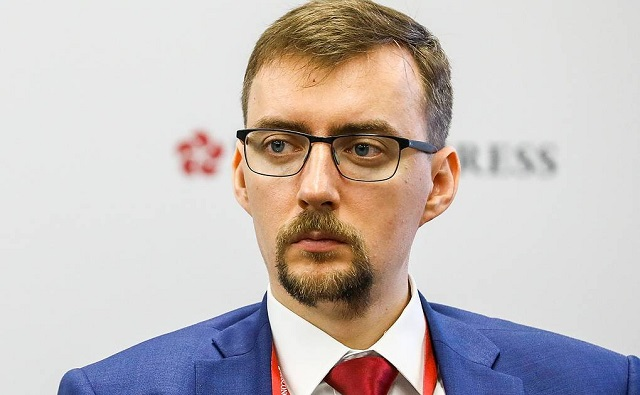
Timofeev argues that Western pressure on Iran is not episodic but structural and long-term, warning that similar patterns are likely to shape future geopolitical confrontations involving Russia.
He said the recent escalation—preceded by months of US and Israeli military buildup in the Persian Gulf and stalled diplomatic talks between Tehran and Washington—was foreseeable rather than unexpected.
According to his assessment, Iran responded with missile and drone strikes that disrupted key energy and trade routes in the Gulf region, signaling that even under heavy pressure, it retains asymmetric deterrent capabilities.
Timofeev’s seven key takeaways for Russia include:
- Sanctions are consistently paired with military and covert pressure.
- Western pressure campaigns are prolonged, not temporary.
- Concessions under coercion rarely produce lasting agreements.
- Political leadership increasingly becomes a direct target in modern conflict.
- Domestic instability can invite external intervention.
- Economic partners are not necessarily security guarantors.
- Strategic balance and deterrence capabilities remain essential for survival in prolonged geopolitical confrontation.
He concludes that Russia must prepare for sustained pressure scenarios similar to those faced by Iran, where economic, cyber, and military dimensions are increasingly interconnected.