TTP Turns to Drone Warfare, Reshaping Conflict Dynamics
DID Press: A surge in drone-based attacks in Pakistan’s Khyber Pakhtunkhwa province signals a major evolution in the operational doctrine of Tehrik-i-Taliban Pakistan (TTP), marking a shift from traditional suicide bombings and guerrilla tactics toward remote, technology-driven warfare. According to Pakistani police, 246 drone attacks were intercepted over a five-month period—an indicator of a rapidly evolving battlefield environment.
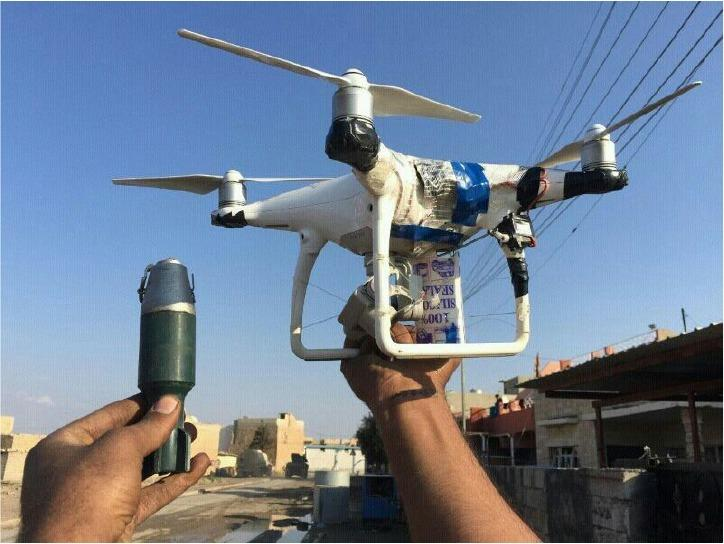
This transition reflects the growing accessibility and weaponization of commercial drone technology. Originally designed for civilian purposes, these drones are now being modified to carry explosives, enabling militant groups to conduct precise, low-cost strikes from a distance. This shift reduces reliance on human operatives while increasing operational efficiency and survivability.
Digitization of Militancy and Tactical Evolution
The move toward drone warfare represents a broader trend of the digitization of militancy, where technological adaptation reduces costs and expands operational reach. Traditional security infrastructures—such as checkpoints and fortified positions—are increasingly vulnerable, as drones bypass physical barriers and challenge conventional defense systems.
Cross-Border Tensions and Strategic Disputes
Pakistan has linked the growing capabilities of groups like TTP to access to leftover weapons from the Afghanistan war and alleged safe havens across the Durand Line. Islamabad maintains that cross-border factors have enhanced militant capabilities.
In contrast, the Taliban authorities in Kabul reject these claims, insisting that Afghan territory is not used against other countries. Kabul argues that Pakistan’s security challenges stem from internal issues rather than external factors. This divergence underscores a growing diplomatic stalemate, with drone warfare emerging as a new source of tension.
Bannu: Testing Ground for Modern Conflict
The concentration of over 200 drone incidents in the Bannu district highlights its emergence as a testing ground for evolving warfare tactics. Its strategic location near tribal areas has long made it a hotspot for militant activity, but the scale of drone deployment suggests a deliberate shift toward remote warfare—where distance enhances operational security for attackers.
Emerging Countermeasures and Tech Arms Race
Pakistan’s military and law enforcement agencies have increasingly turned to anti-drone systems to counter this threat. The interception of hundreds of drone attacks points to the early stages of a covert technological arms race in the region—where control over signals, frequencies, and electronic warfare capabilities is becoming more decisive than territorial control.
Conclusion
The transition from suicide bombings to explosive drones is not merely a tactical adjustment—it reflects a deeper transformation in the nature of asymmetric conflict in South Asia. As Pakistan emphasizes cross-border origins of the threat and Afghanistan stresses sovereignty, the reality on the ground remains one of rising insecurity, particularly affecting civilians in border regions.
Resolving this crisis will require more than technological defenses. A comprehensive political understanding between Kabul and Islamabad—supported by intelligence sharing and transparent border management—will be essential to prevent drone warfare from driving long-term instability in the region.
By Sayed Baqer Waezi – DID News Agency