America’s Broken Dream: Homelessness Crisis Deepens Amid Wealth and Power
DID Press: Despite being home to the world’s largest economy, the United States continues to grapple with a growing homelessness crisis, exposing stark inequalities beneath its image of wealth, technological innovation, and global influence.
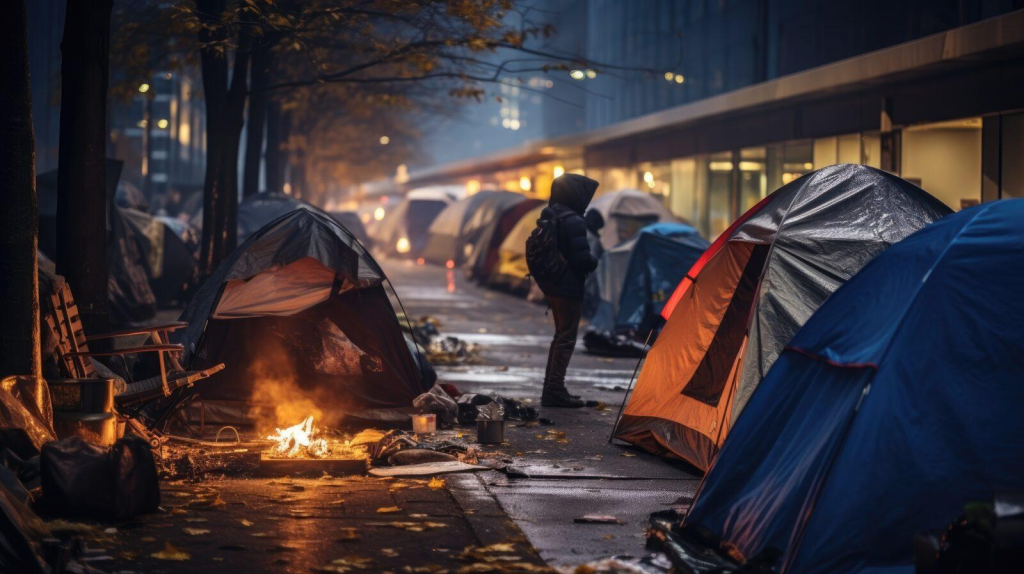
Based on firsthand observations from the United States, this report highlights the daily struggles of hundreds of thousands of people living without stable shelter while surrounded by some of the world’s most prosperous urban centers.
According to official U.S. government figures, the number of homeless people reached approximately 771,000 in 2024, the highest level recorded in recent decades. However, many experts believe the real figure is significantly higher, noting that thousands live in vehicles, abandoned buildings, or temporarily with friends and relatives and are therefore not included in official counts.
Homelessness has become one of the most visible contradictions in American society. While the United States operates with an annual federal budget exceeding $7 trillion and hosts many of the world’s largest technology companies, large homeless populations remain a common sight in cities such as New York City, Los Angeles, and San Francisco, where tent encampments have become part of the urban landscape.
A key driver of the crisis is the sharp rise in housing costs. In many major American cities, rents have increased far faster than household incomes, leaving growing numbers of families vulnerable to displacement. Critics argue that large investment firms have gained excessive influence over the housing market while governments have struggled to curb rising costs.
The crisis has been further compounded by addiction, mental health challenges, and the erosion of social support systems. The spread of synthetic drugs, particularly Fentanyl, has become a major concern in several cities, contributing to worsening social conditions and public health challenges.
The U.S. government spends more than $10 billion annually on homelessness-related programs, including shelters, housing assistance, addiction treatment, and support services. Despite these efforts, homelessness has continued to expand in some regions. Critics have increasingly referred to a “homelessness industry,” arguing that numerous organizations receive substantial funding without delivering lasting solutions.
Beyond those directly affected, homelessness has broader implications for public safety, local economies, and quality of life. The crisis underscores how even the world’s wealthiest nation faces profound social challenges and highlights the need for deeper reforms in housing policy, social welfare, and public health.