DID Press: The publication of the reported post-war agreement between the United States and Iran has sparked debate among political observers, with some analysts arguing that its significance lies not only in its provisions but also in the strategic circumstances under which it was reached.
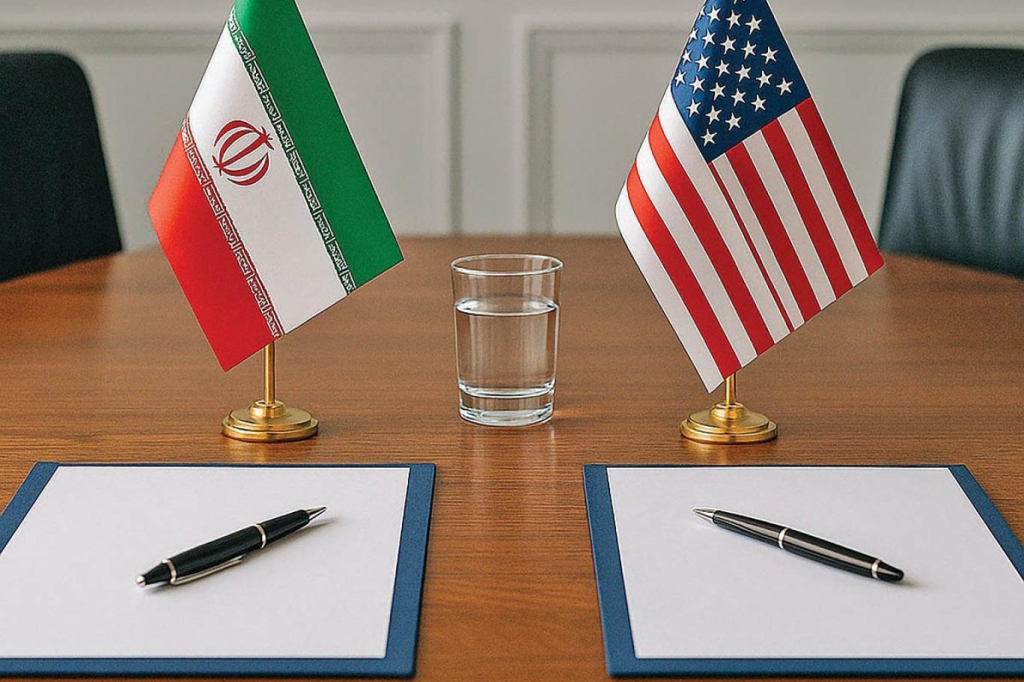
According to this analysis, the agreement differs from previous diplomatic arrangements because it emerged following a period of military confrontation and heightened regional tensions. Supporters of this view argue that Iran entered the negotiations with increased leverage derived from both its military capabilities and broader regional influence.
The article contends that past experiences, including disputes over previous agreements, shaped Tehran’s approach by emphasizing deterrence and the creation of mechanisms designed to increase the costs of any future violations. In this interpretation, military and geopolitical developments played a role in strengthening Iran’s negotiating position.
The analysis further argues that recent regional confrontations altered perceptions of the balance of power, enabling Iran to exercise greater influence over diplomatic outcomes. It cites comments by former U.S. officials and analysts who have acknowledged the significant geopolitical and economic costs associated with regional conflicts.
From this perspective, the agreement represents more than a political understanding; it is described as part of a broader security framework in which military capabilities, regional partnerships, and diplomatic initiatives are viewed as interconnected elements.
The article concludes that the reported agreement could mark the beginning of a new phase in regional politics, with Iran seeking to translate its perceived strategic gains into a stronger role in future security and diplomatic arrangements. However, assessments of the agreement’s long-term implications remain contested among analysts and policymakers, and its ultimate impact on regional and global power structures will depend on future developments.
By Rahel Mousavi | DID News Agency