DID Press: FIFA World Cup 2026 has become more than a sporting competition, emerging as a global stage for expressions of faith, identity, and cultural values among players and communities.
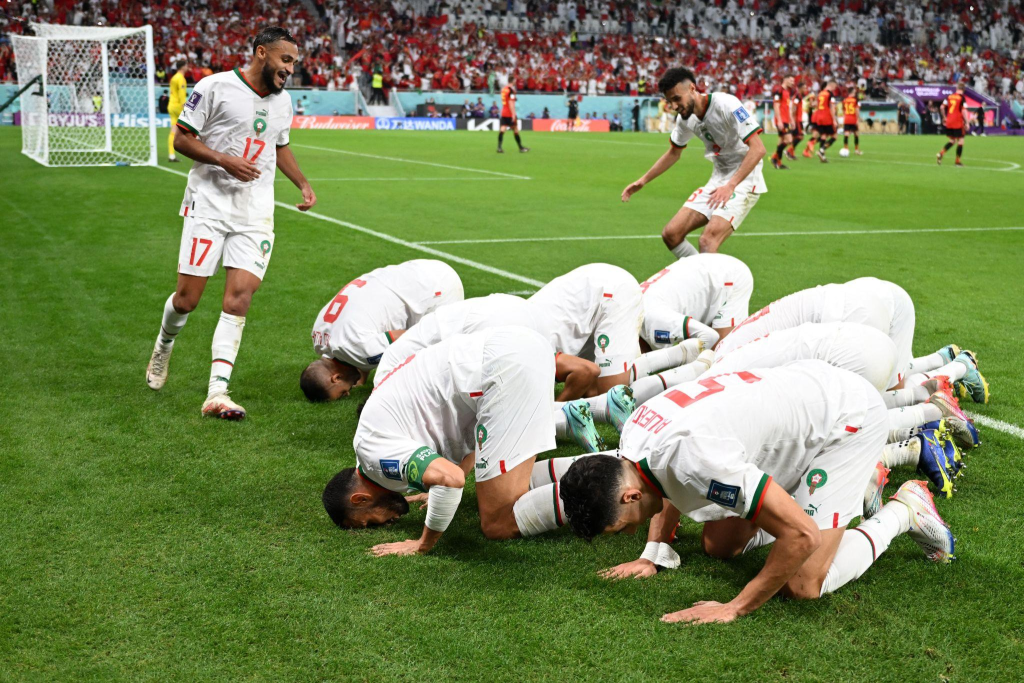
The tournament has featured visible religious gestures, including Muslim players performing prostration (sujood) after scoring goals, and Christian players forming prayer circles after matches. One of the most widely discussed moments came when Spanish star Lamine Yamal celebrated a goal with a prostration gesture that drew significant international media attention.
Similar acts have been seen in previous tournaments, including celebrations by players such as Mohamed Salah and members of Morocco’s national team, where post-goal prostration has become a recognized expression of gratitude.
In another symbolic moment, players from Germany and Curaçao were reported to have formed a post-match prayer circle, highlighting shared Christian expressions of faith. German midfielder Felix Nmecha said players may compete on the field, but unite in prayer afterward as Christians.
The tournament also marked a historic milestone with New Zealand midfielder Sarpreet Singh becoming the first Sikh player to participate in a men’s FIFA World Cup, describing the moment as a proud achievement for his family and the Sikh community worldwide.
Beyond the pitch, religious and cultural sensitivities have also surfaced. A match between Iran and Egypt in Seattle drew controversy after being linked to “Pride Month” programming. Football authorities from both countries objected, citing religious and cultural concerns, while FIFA maintained that inclusion policies and symbolic displays aligned with its regulations.
At the same time, Pope Leo XIV commented on the tournament’s opening phase, describing football as a symbol of teamwork and collective human cooperation, drawing parallels between sport and life.
Together, these developments illustrate how the 2026 World Cup has evolved into a platform not only for athletic competition but also for global conversations about religion, identity, and cultural expression.