DID Press: A new analysis by the US-based Foreign Policy magazine argues that the biggest threat to the global dominance of the dollar is not China, but Washington’s own financial and foreign policies, as the widespread use of sanctions and economic pressure has weakened international confidence in the currency.
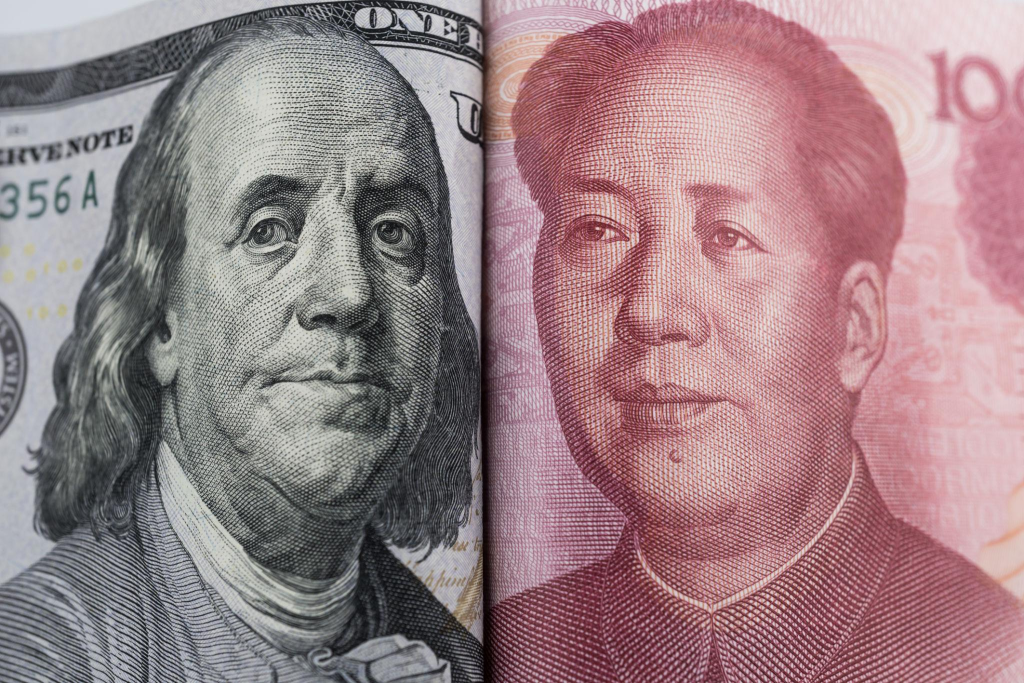
The article states that the expansion of China’s yuan usage is partly driven by US policies, with countries seeking to reduce their dependence on the dollar increasingly turning toward local currencies and alternative financial channels.
The analysis highlights examples from Latin America, including Brazil and Argentina, where the share of yuan in foreign reserves and trade transactions with China has increased. Argentina also used yuan reserves to repay part of its obligations to the International Monetary Fund during a period of dollar shortages, reflecting a gradual shift in regional financial patterns.
Author Eric Lin argues that the dollar’s long-standing “exorbitant privilege” has increasingly become a burden, as every use of the currency as a tool of political pressure encourages countries to seek alternatives and reduces global trust in the dollar-based system.
The article also examines China’s efforts to build a parallel financial network through yuan-based credit lines, expansion of the Cross-Border Interbank Payment System (CIPS), and increased trade settlements using local currencies.
The analysis concludes that maintaining the dollar’s global position requires changes in US policy, including reducing reliance on sanctions and strengthening financial diplomacy through currency cooperation, investment, and closer engagement with international partners.