Ahmad Shah Durrani: Founder of Afghanistan or Architect of a Tribal Political Order?
DID Press: Ahmad Shah Durrani is widely regarded as the founder of modern Afghanistan, yet historians remain divided over the legacy of the empire he established. While official narratives portray him as the architect of Afghan statehood and national unity, many scholars argue that his rule institutionalized a tribal-centered political system whose effects have shaped the country’s power structure and ethnic relations for centuries.
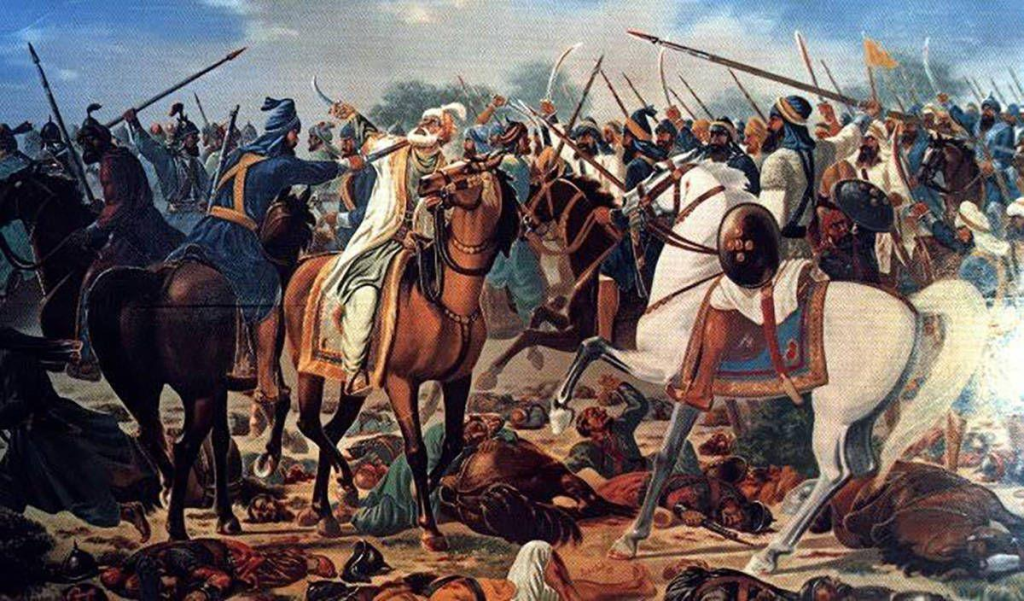
Born around 1722 into the Sadozai branch of the Abdali (later Durrani) tribe, Ahmad Khan rose through the ranks of the army of Nader Shah Afshar, commanding an elite Afghan force and gaining extensive military and administrative experience. Following Nader Shah’s assassination in 1747, tribal elders gathered in Kandahar and selected Ahmad Khan as ruler in a historic Loya Jirga, where he received the title “Durr-i-Durran” (Pearl of Pearls)—a name that later gave rise to the Durrani dynasty.
Ahmad Shah established an empire stretching from Mashhad in the west to Delhi in the east, and from the Amu Darya in the north to the Arabian Sea in the south. His victory over the Maratha Confederacy in the Third Battle of Panipat (1761) became one of the defining military events of the eighteenth century, reshaping the balance of power across the Indian subcontinent.
To consolidate authority, Ahmad Shah relied heavily on tribal alliances, appointing members of the Sadozai family and trusted Durrani leaders to key government positions while forging strategic marriages with rival tribes. After his death in 1772, his son Timur Shah Durrani transferred the capital from Kandahar to Kabul, and successive Durrani rulers continued to govern until political authority gradually shifted to the Barakzai dynasty.
The article notes, however, that Ahmad Shah’s legacy remains contested. While many Pashtuns revere him as “Ahmad Shah Baba” and the founder of Afghan statehood, numerous Tajik, Hazara and Uzbek historians argue that his administration prioritized tribal patronage over inclusive governance, laying the foundations for long-term political centralization and ethnic imbalance.
Analysts also argue that although Persian remained the language of administration and the royal court, the distribution of political power was largely centered on tribal and kinship networks. Critics contend this governance model contributed to structural inequalities that continued to influence Afghanistan’s political development in later centuries.
At the same time, historians acknowledge that several political traditions established during the Durrani era—including the central role of the Loya Jirga, the balance between central authority and tribal autonomy, and a governance model rooted in negotiated legitimacy—have remained influential in Afghan politics well into the modern era.
The article concludes that understanding Ahmad Shah Durrani’s legacy requires acknowledging both his role in establishing the Afghan state and the enduring debates surrounding the political system he created, making his reign one of the most consequential and contested periods in Afghanistan’s history.
By Zahra Hosseini | DID News Agency