Australian Think Tank Warns of Intensifying Power Struggle Over Badakhshan
DID Press: An Australian think tank has warned that Badakhshan is emerging as a key battleground in the Taliban’s internal power struggle following the brief capture of Yaftal district by the Sepahiyan-e Mihan Front, highlighting growing competition over the province’s strategic mineral wealth and border location.
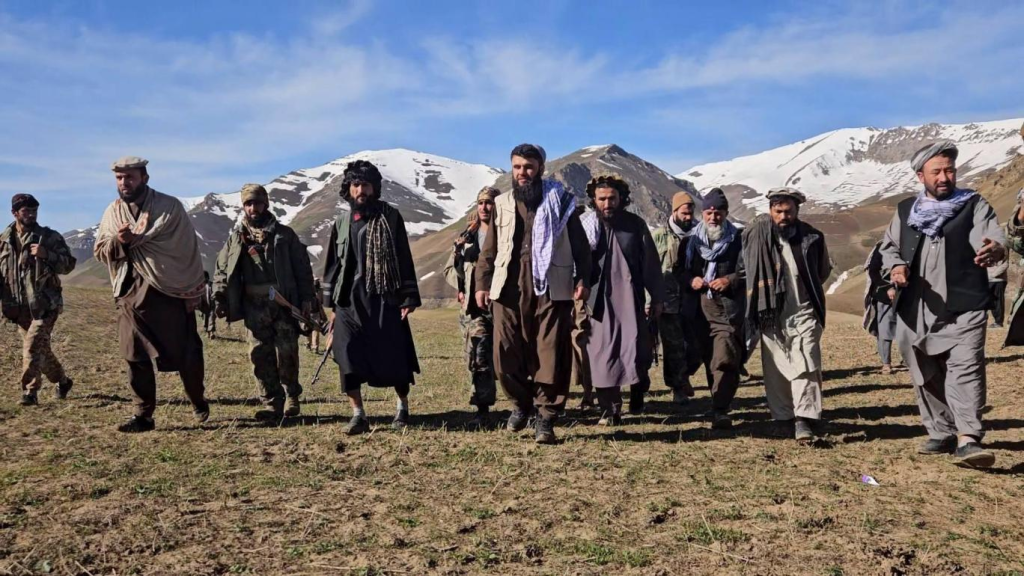
In a report published on Monday, Australia’s Lowy Institute said Badakhshan has become the Taliban’s most significant test in consolidating control over Afghanistan’s remote provinces. The assessment comes three days after the temporary seizure of Yaftal district by the Sepahiyan-e Mihan Front, underscoring intensifying competition for control of the province.
Journalist and analyst Lynne O’Donnell wrote that, after returning to power, the Taliban have faced a new challenge: consolidating control over revenue sources and local power centers. She argued that Badakhshan’s rich deposits of gold, gemstones and lead, along with its borders with China, Pakistan and Tajikistan, have made it the focal point of this competition.
According to the analysis, the Taliban’s ban on poppy cultivation and the resulting decline in opium revenues have increased the strategic importance of mining, intensifying rivalry among local commanders. The report states that tensions between Juma Khan Fateh, an influential Taliban commander in Badakhshan, and Haji Bashir Noorzai, a close ally of Hibatullah Akhundzada, extend beyond mining interests and reflect the Taliban leadership’s broader effort to impose direct control over distant provinces.
The report says the detention of Juma Khan Fateh and his subsequent release after reaffirming loyalty to the Taliban leadership suggests that the Kandahar-based leadership prefers to manage internal disputes without military confrontation, aiming to prevent deeper ethnic and regional divisions within the movement.
The publication coincides with an increase in visits to Badakhshan by senior Taliban officials. Mohammad Yaqoob Mujahid, the Taliban’s acting defence minister, and Fasihuddin Fitrat, the group’s army chief of staff, have made several trips to the province in recent months as security tensions, the emergence of new anti-Taliban armed groups and disputes over mining management have intensified.
The Lowy Institute concluded that Badakhshan’s geopolitical position and economic resources could make it one of the most sensitive fault lines within the Taliban’s power structure, with competition over the province likely to have broader implications for security in northeastern Afghanistan.