ISIS-K: Pakistan’s Pressure Tool and Emerging Security Threat in South Asia
DID Press: Recent reports of drone activity targeting alleged Islamic State Khorasan (ISIS-K) hideouts along the Afghanistan-Pakistan border have renewed concerns over the group’s growing role as a major security threat in South Asia.
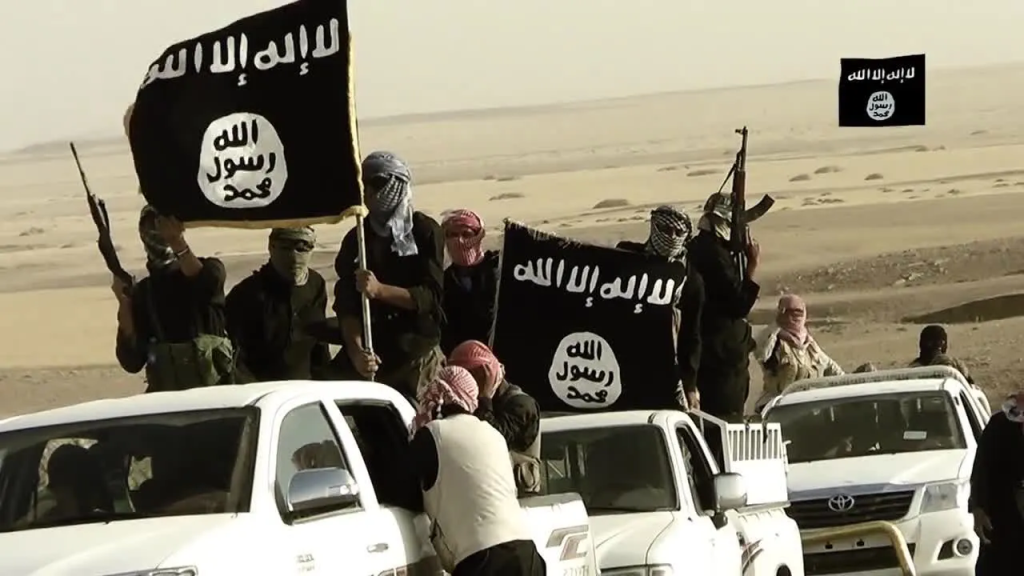
ISIS-K, considered one of the most dangerous extremist organizations operating in the region, has claimed responsibility for deadly attacks and widespread human rights abuses in recent years. Analysts say the group’s continued activities have become increasingly linked to broader regional security disputes.
According to Fatemeh Al-Hashemi, a South Asia researcher and journalist, Pakistan has historically been accused of using militant groups as strategic tools to exert political and security pressure on neighboring countries. She argues that alleged support for ISIS-K is not based on ideological alignment but could serve as a calculated instrument against the Taliban government in Afghanistan and Baloch insurgent groups.
Relations between Islamabad and Kabul have deteriorated significantly since the Taliban returned to power, with border clashes and security tensions increasing. Meanwhile, attacks by the Tehreek-e-Taliban Pakistan (TTP) and Baloch armed groups have intensified, including strikes targeting major economic projects such as the China-Pakistan Economic Corridor (CPEC).
The report cites allegations of covert cooperation between Pakistani security elements and ISIS-K, including claims of militant training facilities in Balochistan. Pakistani authorities have repeatedly denied accusations of supporting extremist organizations and maintain that they are committed to combating terrorism.
Al-Hashemi also points to what she describes as contradictions in Pakistan’s regional role, arguing that Islamabad seeks international recognition as a mediator in regional crises while facing accusations over its handling of militant networks.
Pakistan’s history of involvement with armed groups dates back to the 1980s, when it supported Afghan mujahideen groups during the Soviet occupation. Critics argue that the distinction between “useful” and “hostile” militant groups has remained a feature of Pakistan’s security policy.
The analysis concludes that international actors should demand verifiable action against extremist networks and link future security assistance to measurable counterterrorism efforts, warning that failure to address ISIS-K’s expansion could increase instability across South Asia.