US Opens First Secret Deportation Trial in Alleged ISIS-Linked Afghan Case
DID Press: US Department of Justice has asked a secret federal tribunal to deport an Afghan woman living in Texas over alleged links to the Islamic State (ISIS), in what marks the first known case before the country’s rarely used Foreign Terrorist Removal Court.
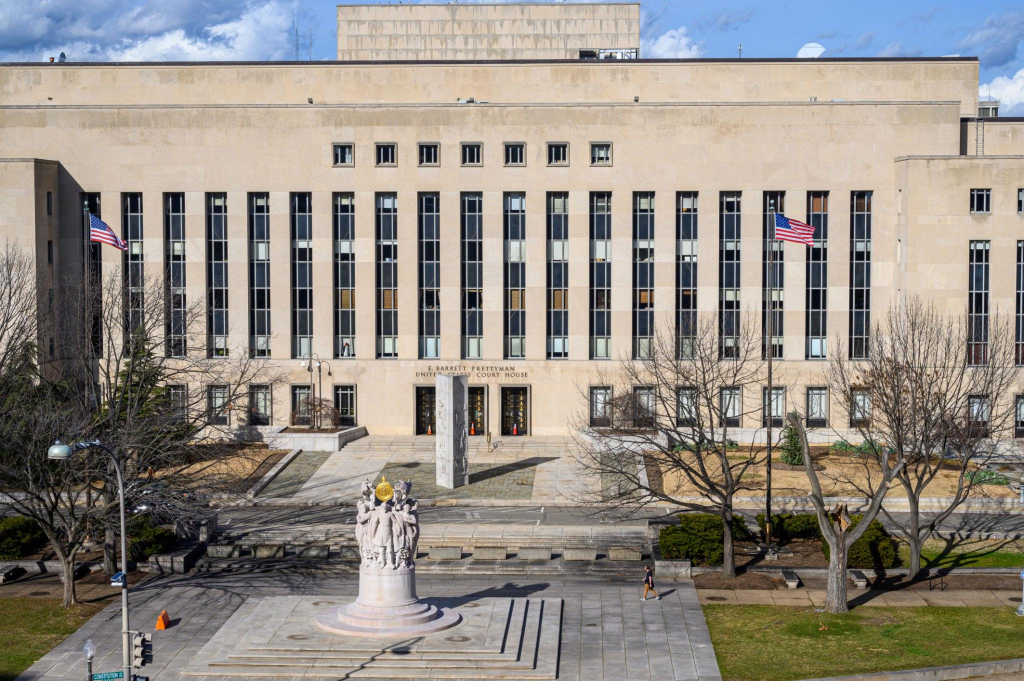
According to the Justice Department, 47-year-old Nazira Hajizada, a lawful permanent resident of the United States, is scheduled to appear before the Foreign Terrorist Removal Court in Washington on Thursday. The court was established to hear deportation cases involving non-citizens accused of ties to designated terrorist organizations.
Court records state that Hajizada’s husband worked at Afghanistan’s Bagram Air Base between 2009 and 2016 and obtained a U.S. green card through a program supporting employees who assisted American forces.
The acting U.S. attorney general said the allegations suggest that “the mother of an ISIS-supporting family” played a role in an ISIS-inspired plot to carry out a deadly attack targeting American voters on Election Day 2024.
Hajizada, however, has not been formally charged with any terrorism-related offense and has no publicly known criminal record.
Meanwhile, her son, Abdullah Hajizada, and her son-in-law, Nasir Ahmad Tawhidi, previously pleaded guilty in federal court in Oklahoma to weapons- and terrorism-related charges. Prosecutors alleged the pair planned to acquire firearms and ammunition for an Election Day attack before relocating their family to territory controlled by ISIS.
In an unclassified FBI filing submitted to the court, the government alleges that Hajizada supported the plot, pledged allegiance to ISIS, sought to indoctrinate her children with the group’s ideology, and concealed plans to move the family to ISIS-controlled territory from her husband.
The Foreign Terrorist Removal Court was created under legislation signed by President Bill Clinton in 1996 but has never previously been used in practice. Hajizada’s case represents the tribunal’s first formal test. Under the court’s procedures, lawful permanent residents are entitled to government-appointed legal counsel, although that attorney is not granted access to classified evidence.