DID Press: Fareed Zakaria, a prominent journalist and international affairs analyst, wrote in a recent Washington Post column that Saudi Arabia, Türkiye and Pakistan have signed a joint defense agreement in Mecca, pledging to treat an attack on one as an attack on all. He described the move as a sign of closer ties between Riyadh and Ankara after years of rivalry, attributing it primarily to declining confidence in Donald Trump’s security commitments.
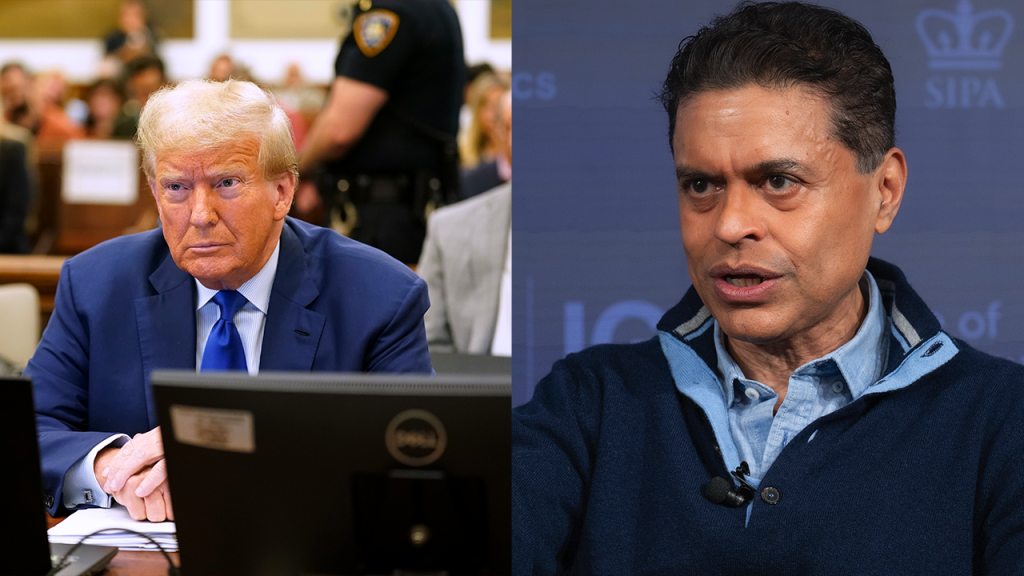
Zakaria argued that over the past eight decades, the United States has maintained not only military and economic power but also its credibility as a strategic asset. Allies expected Washington’s commitments to remain stable, while U.S. rivals took its threats seriously. However, he said, volatility in Trump’s decisions has prompted allies to consider alternatives rather than rely entirely on the United States—from purchasing non-U.S. weapons systems in Europe and Canada reconsidering its purchase of F-35 fighter jets to strengthening domestic defense industries and, now, Saudi Arabia, Türkiye and Pakistan establishing more independent security structures.
He added that these developments do not mean the immediate collapse of U.S. alliances, but they are signs of a gradual erosion of confidence in Washington. Even Israel, he noted, has approached some of Trump’s proposals on Gaza with caution. According to Zakaria, major powers do not necessarily decline only through military defeat; they also weaken when other countries gradually stop organizing their affairs around them.
Zakaria concluded that the United States remains a major military and economic power, but its credibility is under strain. When allies are no longer confident that Washington’s promises and threats will remain consistent, they begin seeking alternatives rather than following its lead—and this could mark the beginning of a gradual decline in U.S. influence.