Afghanistan’s Flag War: August 19 and the Struggle Over National Identity
DID Press: Afghanistan’s August 19 Independence Day has long represented a historic milestone associated with independence, modernization and national identity. But five years after the Taliban’s return to power, the national occasion has become part of a broader contest over symbols, political narratives and the meaning of Afghan identity.
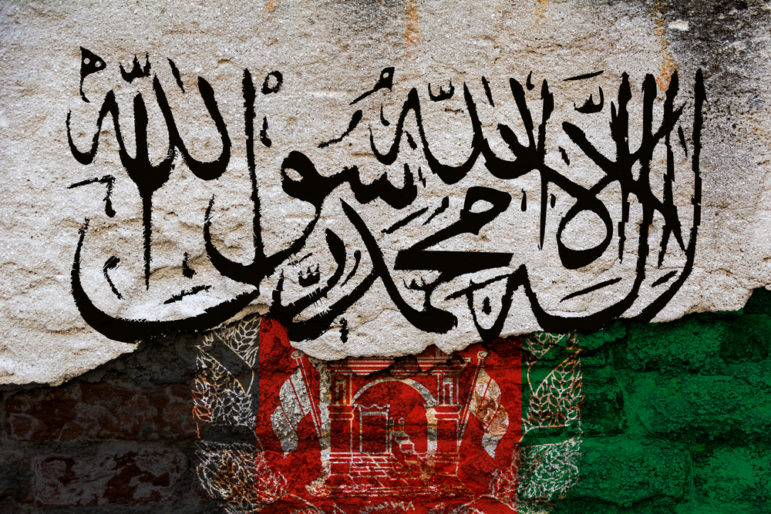
The proximity of August 19 to the anniversary of the Taliban’s takeover of Kabul has intensified comparisons between two competing narratives of the country’s recent history. Once widely associated with Afghanistan’s black, red and green tricolor, national unity and the achievements of the post-2001 period, Independence Day has increasingly become a platform for competing interpretations of national identity.
After returning to power, the Taliban rapidly replaced the tricolor with their white flag across government institutions and public spaces. The change was more than a symbolic alteration, signaling an attempt to redefine national representation within the ideological framework of the new authorities.
Yet the removal of the tricolor has not erased its place in the collective memory of many Afghans. Young people, academics, civil society activists and others continue to share images, memories and symbols associated with the former national flag, particularly around August 19.
The continued appearance of the tricolor on social media reflects what the author describes as a form of “soft resistance” to the enforced transformation of national symbols. For many Afghans, the flag remains associated with the country’s ethnic diversity, civic institutions, media freedoms and collective experiences of the past two decades.
The dispute also extends to historical commemorations. The Taliban have sought to emphasize their return to Kabul as a defining moment in the country’s history while reducing the prominence of August 19 and its association with the achievement of independence under King Amanullah Khan.
At the heart of the dispute is a deeper disagreement over the meaning of independence. The Taliban have emphasized independence in terms of the withdrawal of foreign forces and resistance to external influence. For many in contemporary Afghan society, however, independence is inseparable from economic development, education, women’s participation and fundamental freedoms.
The struggle over flags and symbols therefore reflects a broader social and political contest playing out in Afghanistan’s schools, universities, workplaces and streets. Restrictions on girls’ education and women’s participation in public life have, according to the author, further strengthened the symbolic importance of the tricolor for those who associate it with hopes for a more pluralistic and open future.
The article argues that military control over territory and the replacement of government symbols do not necessarily translate into control over the collective memory and identity of a population. National symbols are shaped by generations of historical experience, sacrifice and shared memory.
Unless the Taliban establish a political framework capable of accommodating Afghanistan’s diverse ethnic, religious and social communities, the article concludes, their ideological symbols are likely to remain contested rather than becoming universally accepted national symbols.
For many Afghans, August 19 therefore remains not merely a date on the calendar, but a continuing reference point in the debate over the country’s national identity and political future.
By Sayed Baqer Waezi — DID News Agency