Taliban Accused of Systematic Marginalization of Shia Afghans
DID Press: The Taliban’s policies toward Afghanistan’s Shia community can no longer be viewed simply as isolated or temporary measures, but are increasingly being characterized by critics as part of a systematic effort to marginalize Shia Afghans in education, media and residential areas.
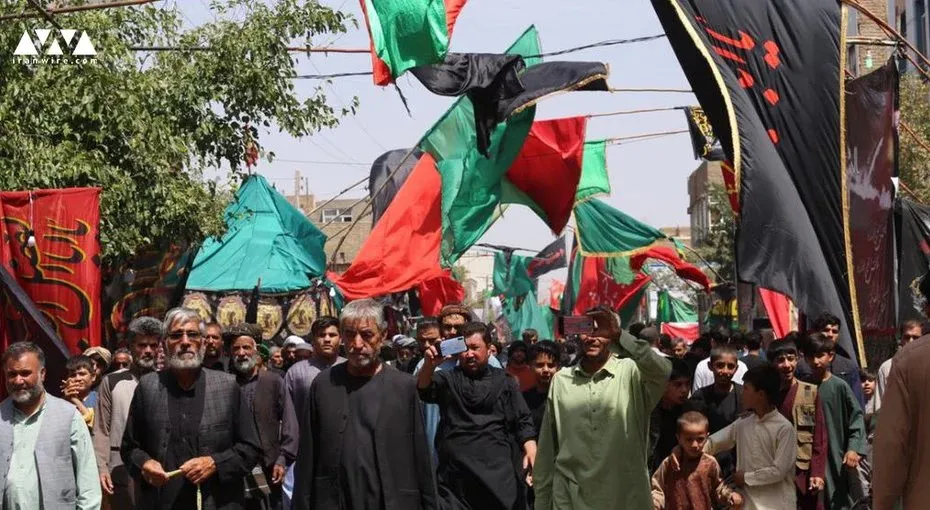
The takeover of Khatam al-Nabieen University following the closure of Tamaddon TV and the Khatam al-Nabieen religious seminary, along with reported orders to vacate Shia-populated residential areas in Kabul and Ghazni, has raised concerns over what critics describe as an organized pattern of exclusion from key areas of public life.
Human Rights Concerns
In education, the reported restrictions at Khatam al-Nabieen University and requirements for students to adhere to the Hanafi school of jurisprudence at universities and dormitories have been criticized as violations of freedom of religion, academic freedom and the right to education.
In the media sector, the closure of Tamaddon TV has been described by critics as restricting the Shia community’s participation in public discourse and raising concerns over freedom of expression and access to information.
In relation to property and housing, reported eviction orders affecting Shia-populated areas such as Omid Sabz in Kabul and Nowabad in Ghazni have prompted allegations of structural discrimination and forced displacement. Critics argue that any deprivation of property without due legal process could raise serious human-rights and international-law concerns.
Social and Political Consequences
The alleged marginalization of Shia Afghans from education, media and residential life could have consequences beyond individual rights, deepening existing social divisions in Afghanistan and potentially contributing to further instability.
Critics warn that continued exclusion of a religious community in Afghanistan’s multiethnic and multireligious society could increase sectarian tensions and create conditions for renewed cycles of violence.
International Legal Concerns
From an international human-rights perspective, the allegations raise questions concerning the rights to education, freedom of expression, religious freedom, equality and non-discrimination, as well as property rights.
Human-rights organizations and international institutions could face growing pressure to document alleged discriminatory practices and assess whether systematic violations meet the legal threshold for crimes under international law.
Conclusion
Critics argue that the Taliban’s reported policies toward Shia Afghans represent a broader pattern of exclusion from Afghanistan’s public, educational and social spheres. They warn that continuing such policies could deepen social divisions and threaten long-term stability.
The international community is being urged to monitor and document these developments and press the Taliban to uphold equal rights and protections for all Afghan citizens.
By Mohsen Mowahed | DID News Agency