Taliban Rejects Inclusive Government, Says It Would Quickly Collapse
DID Press: Zabihullah Mujahid, spokesman for the Taliban, has rejected calls for an inclusive government in Afghanistan, arguing that the country’s society lacks the capacity to accommodate different political factions within a single governing structure.
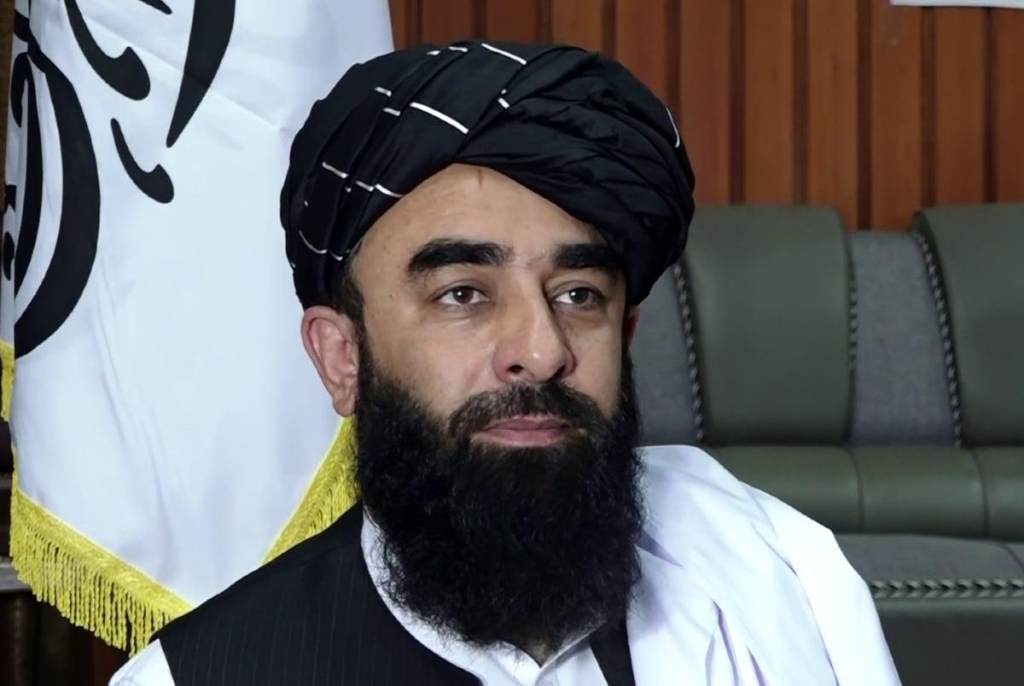
Mujahid said Afghanistan’s political experience shows that bringing different political groups into government does not necessarily lead to stability or lasting peace. He claimed that divisions and competition among political factions could cause an inclusive government to collapse rapidly if such a system were established.
He attributed decades of instability and conflict in Afghanistan to political disputes and struggles for power, while stressing the need to maintain what he described as a “unified and coherent system.”
Mujahid has previously argued that the model of an inclusive government has failed to produce political stability in Afghanistan.
Critics, however, argue that the Taliban’s rejection of political pluralism amounts to a justification for its concentration of power. They say Afghanistan’s history indicates that exclusion and suppression of political groups have been major drivers of prolonged conflict, rather than their participation in governance.
The Taliban’s emphasis on a “unified and coherent system” has also raised concerns among critics that the policy could further consolidate one-party rule, weaken domestic political legitimacy and deepen social divisions.