World Literacy Day: Afghanistan’s Education System Under Taliban Restrictions
DID Press: International Literacy Day is being observed on September 8 as Afghanistan’s education system faces a series of deepening challenges. Alongside poverty, inadequate facilities and weak educational quality, restrictive Taliban policies—particularly those affecting girls and women—have added further pressure to the country’s education system.
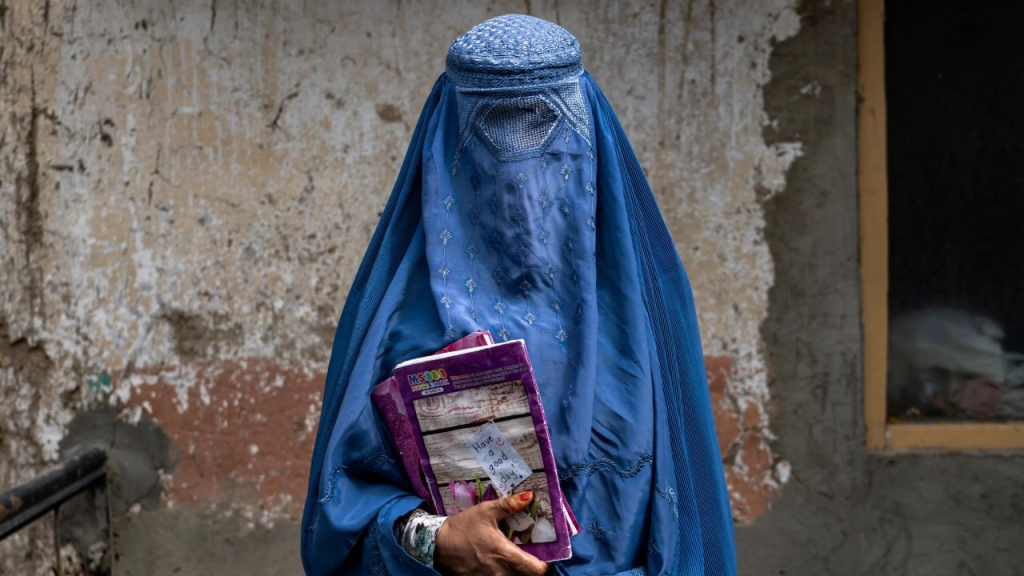
UNESCO is marking International Literacy Day 2026 under the theme “Literacy for People, Planet and Prosperity,” highlighting the role of literacy and education in reducing inequality, promoting economic development and strengthening social participation. Afghanistan, however, remains among the countries with the lowest literacy levels in the world, with millions of people lacking effective access to education.
According to reports by international organizations, Afghanistan’s literacy rate is around 37 percent, while only about 27 percent of Afghan women are literate. At the same time, more than 90 percent of 10-year-old children cannot read and understand a simple text. The country’s education crisis therefore extends beyond school attendance to serious challenges in learning outcomes and educational quality.
Millions of Girls Deprived of Education
Restrictions imposed by the Taliban on girls’ education remain one of the most significant aspects of Afghanistan’s current education crisis. Since the Taliban returned to power in 2021, more than 2.6 million girls have been deprived of secondary education. Afghanistan remains the only country in the world where girls and women are barred from secondary and higher education.
The restrictions continue despite the fact that girls’ education is not only a human rights issue but is directly linked to Afghanistan’s future economic and social development. Depriving an entire generation of girls of education will reduce the number of qualified women in fields such as medicine, nursing, teaching and social services in the years ahead.
Education Crisis Extends Beyond Girls’ Restrictions
Afghanistan’s education challenges are not limited to girls being excluded from school. According to UNICEF, more than 2.13 million primary-school-age children were out of school in 2024, with girls accounting for around 60 percent of them.
Poverty, inadequate infrastructure, limited access to schools, migration and the large-scale return of families from neighboring countries have placed additional pressure on the education system. Nearly half of Afghanistan’s schools also face shortages of basic facilities.
A shortage of qualified teachers, particularly women, has further raised concerns about the quality of education. UNESCO has warned that Afghanistan could face a shortage of more than 11,000 qualified female teachers by 2030.
The Cost Afghanistan Is Paying
The continuation of restrictions on education is expected to have long-term consequences for Afghanistan’s economy. UNESCO estimates that continued exclusion of women from higher education could cost Afghanistan around $9.6 billion in potential income by 2066.
Under these circumstances, International Literacy Day serves as a reminder of an education crisis that threatens the future of an entire generation. Millions of children need access to quality education, while millions of girls have lost their right to continue their studies.
The continuation of the current situation indicates that without changes to Taliban policies toward girls’ education and serious investment in the education system, Afghanistan will face not only a literacy crisis but also shortages of skilled workers and widening social and economic gaps in the years ahead.