A Blind World to Afghanistan’s Silent Crisis
DID Press: Remarks by Volker Türk, the United Nations High Commissioner for Human Rights, that Afghanistan’s human rights situation is deteriorating further have once again painted a troubling picture of the country’s humanitarian and human rights conditions. But the significance of the warning lies not only in the list of restrictions and human rights violations, but also in the deep gap between the scale of the crisis and the international community’s response. Türk said on Sept. 9 that the situation for many Afghans is “going from bad to worse” and that “the silence is deafening.”
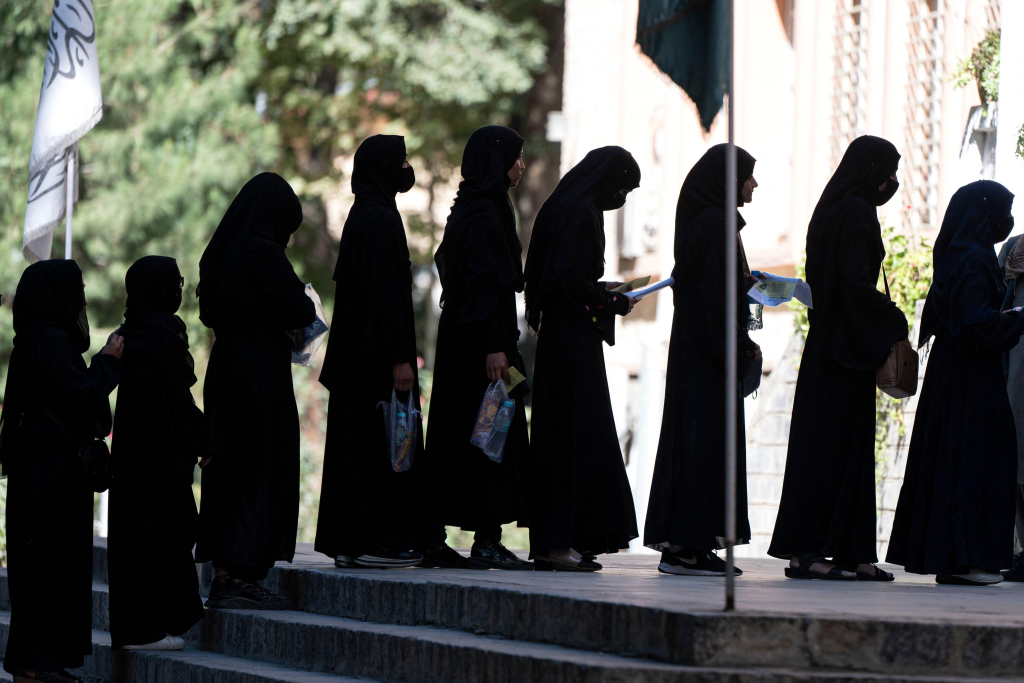
The continued exclusion of millions of girls and women from education, restrictions on women’s employment and participation in public life, pressure on the media and religious and social groups, corporal punishment, and the shrinking space for public participation show that Afghanistan’s crisis is not merely a humanitarian issue. Rather, it reflects the gradual erosion of citizens’ fundamental rights and the institutionalization of structural and systematic discrimination under the Taliban, pushing Afghanistan into a dark and prolonged cycle of governance and the rule of law based on justice. The use of the term “gender apartheid” by Türk also reflects the severity of concern among human rights institutions over this trend.
At the same time, the forced return of hundreds of thousands of Afghans from Iran and Pakistan is placing additional pressure on a society already struggling with unemployment, poverty and severely limited public services. Returning people to a country that lacks the capacity to absorb such a population, without effective plans for housing and livelihoods, could further widen the humanitarian crisis. The UN says more than 400,000 Afghans have been forcibly returned, mainly from Iran and Pakistan, while an estimated 21.9 million people in Afghanistan require humanitarian assistance.
However, issuing warnings and expressing concern alone cannot change the current trajectory. If the international community genuinely considers the rights of the Afghan people a priority, it must move beyond merely describing the crisis and adopt a coherent and accountable policy aimed at preventing its further deterioration, including targeted pressure on the Taliban and sustained support for the people of Afghanistan.
By Mohsen Movahed | DID News Agency