Taliban: Home Schooling and Religious Education for Girls Are Not Banned
DID Press: Taliban Foreign Ministry spokesman Abdul Qahar Balkhi has rejected reports about “secret schools” for girls in Afghanistan, saying home-based education, religious schools and online learning for girls have not been banned or suspended.
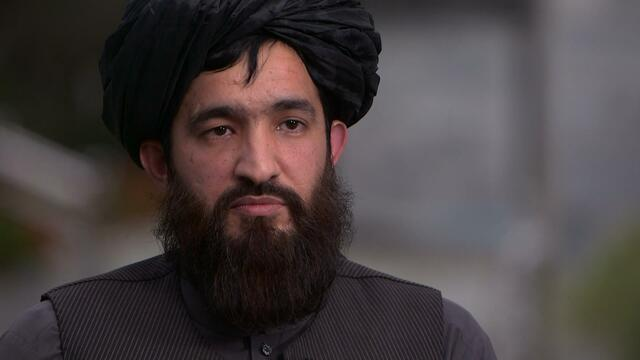
In a recent interview with CBS News, Balkhi said homeschooling was not prohibited and that girls could continue studying at home. He also said girls could attend religious schools, describing them as an available educational pathway rather than underground or secret institutions.
His comments came amid reports by international media about clandestine schools where girls continue studying subjects beyond sixth grade despite the Taliban’s suspension of formal secondary education for girls. CBS News recently reported on several such schools operating discreetly in Afghanistan.
Balkhi acknowledged in the interview that the Taliban administration has suspended a form of public schooling for girls beyond a certain age, while arguing that this does not amount to a ban on education itself.
The Taliban’s Foreign Minister, Amir Khan Muttaqi, also said in a recent interview that international calls for the reopening of girls’ schools had reached Taliban leaders, while acknowledging that the continued closure of girls’ schools remains a problem.
Balkhi also said Afghanistan was open to relations with other countries and that the United States could return through diplomatic engagement and participation in reconstruction projects. CBS News reported that he described Afghanistan as open to dialogue with Washington and to U.S. business activity, including in the country’s mineral sector.
On the issue of Ayman al-Zawahiri, the former al-Qaeda leader, Balkhi rejected the U.S. account that al-Zawahiri was killed in Kabul in a 2022 U.S. drone strike, according to the account of his interview.
He further argued that Afghanistan’s foreign-currency assets are legally owned by the country and called for their unfreezing. The issue of frozen Afghan central-bank assets remains one of the points of disagreement between Kabul and Washington.