UN Meeting: Peace in Afghanistan Impossible Without Women’s Freedom and Participation
DID Press: Participants at a meeting titled “Women, Peace, Justice and National Reconciliation in Afghanistan,” held on the sidelines of the 81st session of the United Nations General Assembly, stressed that a reduction in violence in Afghanistan alone does not constitute peace.
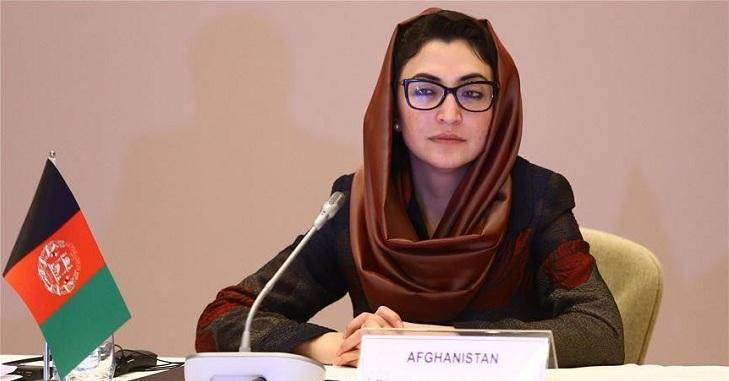
Participants said lasting peace in Afghanistan will not be possible without the meaningful participation of women and the wider Afghan population in the country’s political and social affairs.
While Afghanistan may have become calmer in some respects since the Taliban returned to power, the reduction in violence cannot be considered genuine peace, said Adela Raz, Afghanistan’s former ambassador to the United States, adding peace must also include access to education, hope for the future and the participation of Afghans in decisions concerning their country.
Women’s rights activist Freshta Sakhi described the current situation as a form of “negative peace,” in which widespread conflict has declined but justice, political participation and social inclusion remain absent. She warned that continued exclusion of women could have consequences that extend to future generations.
Mitra Mehran, another women’s rights activist, called for the recognition of “gender apartheid” under international law, saying the international community must also be held accountable for its commitments toward Afghanistan women.
Mitra Alkozai, a women’s rights activist, said Afghan women must be included as a political stakeholder in discussions about the country’s future. Excluding women from politics and public life, she said, is not only a violation of their individual rights but also affects Afghanistan’s political future.
Afghan activist Mushtaq Rahim said the international community’s focus on engagement with the Taliban has resulted in less attention being paid to Afghanistan society itself. He said Afghanistan’s younger generation continues to face serious challenges as a result of restrictions on education, employment and social participation.
Melanne Verveer, former U.S. ambassador-at-large for Global Women’s Issues, said engagement with the Taliban should not lead to the normalization of the repression or exclusion of women from society.
Former Icelandic Prime Minister Katrín Jakobsdóttir described the situation facing women and girls in Afghanistan as one of the world’s most severe gender crises and called for continued international attention to the issue.
Participants concluded that lasting peace in Afghanistan requires women’s access to education, political participation and justice, as well as their meaningful presence in decisions concerning the country’s future.