Global Institutions Paralyzed from Kabul to Beirut and Gaza
DID Press: For us, the people of Afghanistan who experienced two decades of military occupation, nighttime airstrikes and the killing of our compatriots under beautiful names such as “human rights” and “the establishment of democracy,” the images of Beirut, Dahiyeh and Gaza these days are not unfamiliar at all. When we see hospitals, schools and residential neighborhoods being destroyed under heavy bombardment by the Israeli regime, while heavy American weapons continue to fuel these crimes without interruption, a simple but bitter and fundamental question arises in the mind of every fair-minded observer: Where exactly are these vast international organizations, human rights conventions and the United Nations Security Council, and why are they completely paralyzed in the face of such atrocities?
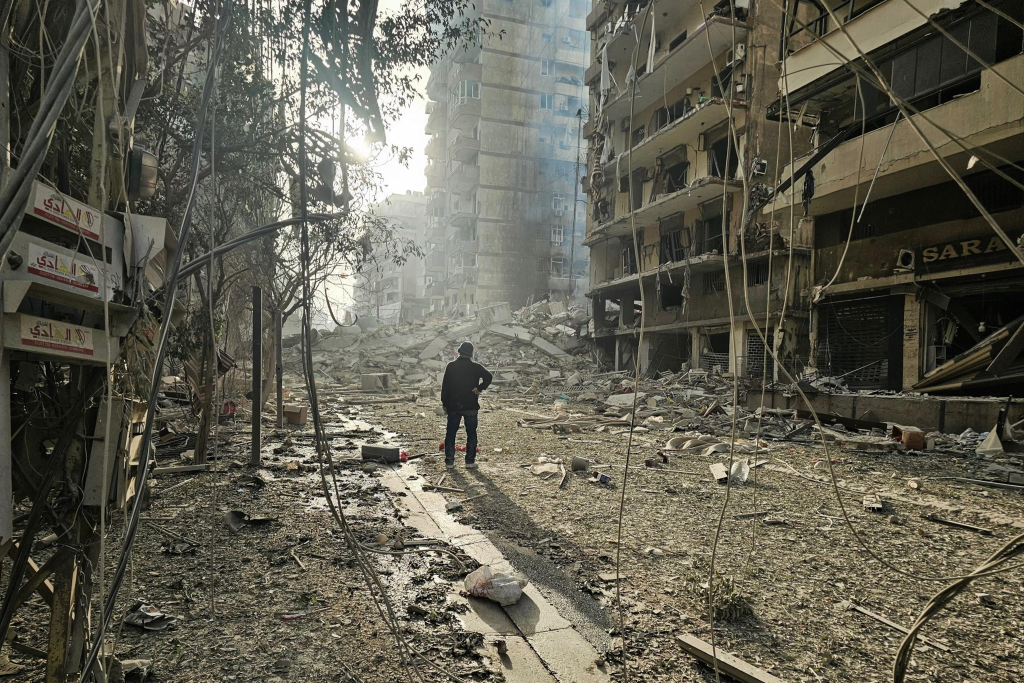
The answer to this question is not particularly complicated; international law has for years moved beyond the framework of a fair instrument and has become a one-sided tool in the hands of major powers to advance their geopolitical objectives. When the interests of Western countries require it, the slogan of human rights becomes an excuse for military intervention, economic sanctions and direct interference in the internal affairs of nations; but when their main ally, the Israeli regime, engages in destruction and killing, all those legal structures and organizations that claim to uphold international law are reduced to a few ceremonial statements, ineffective expressions of regret and fruitless meetings. The same double standards that once ignored the suffering of our people in Zangabad, Farah and dozens of other parts of Afghanistan are now turning a blind eye to the systematic destruction of Gaza and Lebanon.
It was precisely amid this structural injustice and the hollow claims of global organizations that the role, thinking and practical model of Sayyed Hassan Nasrallah became prominent in the region. He analyzed the equations of today’s world not like an idealistic and naïve lawyer, but like an intelligent, courageous and pragmatic leader. Sayyed Hassan Nasrallah repeatedly reminded people at critical historical moments that pleading with a Security Council that itself is a partner of the aggressor would not save any oppressed nation, and that obtaining rights from arrogant powers was not possible through diplomatic petitions.
He clearly explained to public opinion that when international law remains merely on paper and global organizations are paralyzed in the face of force, the only way to survive, preserve dignity and defend territorial integrity is to build “real deterrent power” and stand on one’s own feet.
It was precisely this profound and realistic outlook of Sayyed Hassan Nasrallah that, during his leadership, turned the Lebanese resistance movement into the most logical and reliable refuge for the people in the face of continuous aggression. He demonstrated to everyone that defending the oppressed is not a political maneuver, but a human and religious duty that knows no geographical or ethnic boundaries. Nasrallah demonstrated in practice that when international laws are reduced to useless pieces of paper, it is the will of peoples, strategic awareness and indigenous power that can restrain an aggressor and establish a balance of terror.
Today, too, experts, intellectuals and Afghan society should carefully understand, through an analytical look at the past and present, that reliance on the hollow promises of the West and international organizations produces nothing but the loss of sovereignty, dependence and disenfranchisement.
Linking the bitter experience of occupation in Afghanistan with the model of resistance represented by Sayyed Hassan Nasrallah in Lebanon offers a major lesson for our younger generation: real security, dignity and independence are never handed out from behind the desks of the United Nations in New York and Geneva; rather, they are the product of unity, the development of indigenous power and the conscious resistance of peoples against every form of oppression and system of domination.
By Sayed Baqer Waezi – DID News Agency