Former Mullah Omar Adviser Calls War with Pak Army “Hostility Toward Islam”
DID Press: Mufti Abdul Rahim, head of Karachi-based Jamiat-ul-Rashid and a former adviser to Taliban founder Mullah Omar, has criticized the Taliban’s policy toward Pakistan and called on the group to refrain from supporting the Tehreek-e-Taliban Pakistan (TTP). He described fighting the Pakistani army as “hostility toward Islam.”
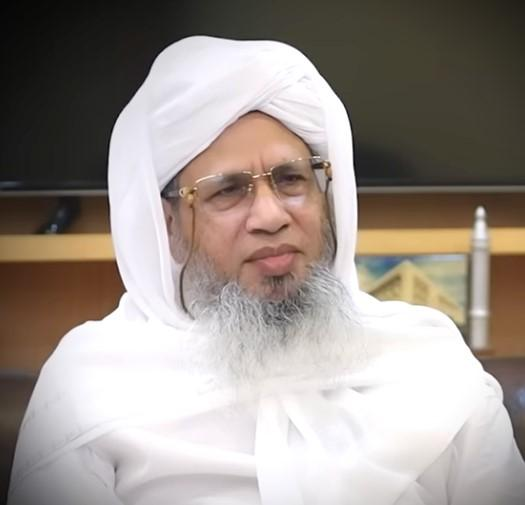
In a recent podcast, Abdul Rahim claimed that the Pakistani military protects the Islamic holy sites in Mecca and Medina and that Pakistan is the only nuclear-armed power in the Muslim world. He therefore characterized armed confrontation with the Pakistani army as an act against Islam.
Abdul Rahim also alleged that some TTP members are present within the ranks of the Afghan Taliban and receive support from the group. He said some Taliban clerics describe the Pakistani army as “taghut” and “apostate.” These claims have not been independently verified. Previous reporting has documented Abdul Rahim’s public comments about links between TTP and religious seminaries, as well as his criticism of the Taliban’s confrontation with Pakistan.
He also described Pakistani airstrikes inside Afghanistan as Islamabad’s “legitimate right” and alleged that India provides financial assistance to the Taliban while Israel supplies military technology, claiming that attacks against Pakistan are organized from Indian territory. These allegations were presented by Abdul Rahim and were not independently verified.
The Pakistani cleric further warned about Afghanistan’s internal situation, claiming that the country is gradually moving toward civil war and that dissatisfaction with the Taliban is increasing in northern provinces.
He argued that continued confrontation with Pakistan for the benefit of India, the United States and Israel would have serious consequences for the Taliban.
The remarks come as Islamabad continues to accuse the Afghan Taliban of providing safe haven to the TTP, while the Taliban rejects the allegations and describes insecurity inside Pakistan as an internal issue.