DID Press: Francesca Albanese, the UN Special Rapporteur on the situation of human rights in the Palestinian territories occupied since 1967, has warned that expanding Israeli checkpoints and road barriers are severely restricting Palestinian movement across the occupied West Bank, disrupting daily life for millions of people.
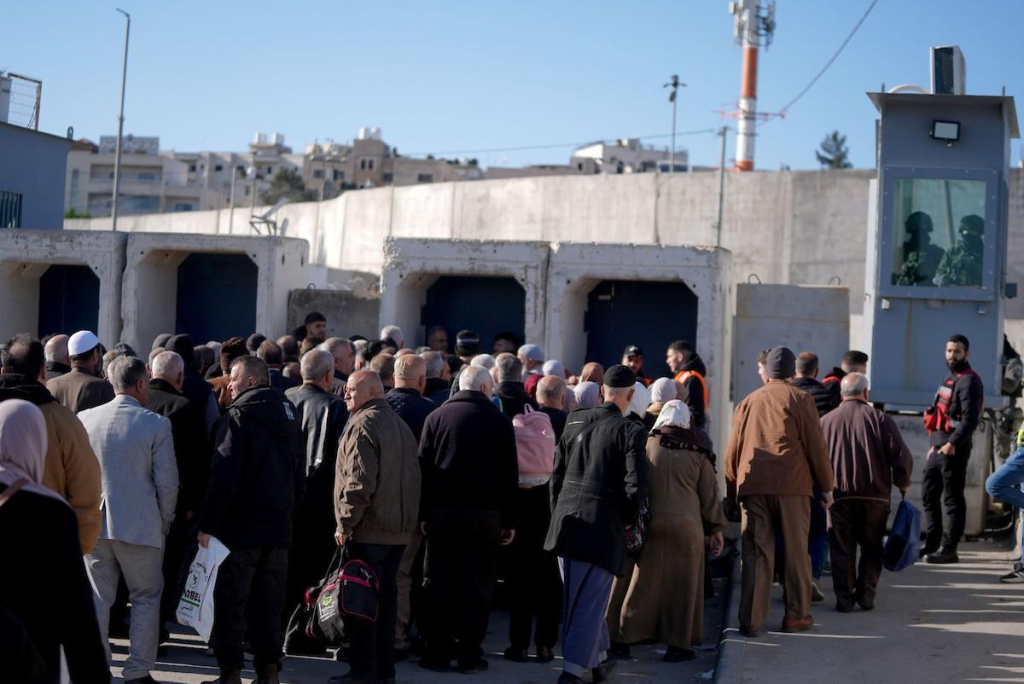
According to the United Nations Office for the Coordination of Humanitarian Affairs (OCHA), 925 movement obstacles were documented across the West Bank, including East Jerusalem, as of December 2025. These obstacles permanently or intermittently restrict the movement of approximately 3.4 million Palestinians. The figure is 43 percent higher than the average of 647 obstacles recorded annually over the preceding two decades.
Albanese said the restrictions do more than delay travel. They also make it harder for Palestinians to reach workplaces, schools, universities, healthcare facilities and family members. For many, journeys to hospitals, universities or work can take hours, while sudden route changes or road closures can make reaching their destinations impossible.
OCHA, citing data from the World Health Organization (WHO), reported that 233 attacks on healthcare were documented in the West Bank in 2025, affecting 25 healthcare facilities and 165 ambulances. In 196 of these incidents, access to healthcare was obstructed, including through checkpoint delays, searches and restrictions on ambulance movements.
The UN expert also linked the expansion of movement barriers to settler violence, the growth of Israeli settlements, home demolitions, the forced displacement of Palestinians and damage to agricultural livelihoods. She said these developments have further isolated Palestinian communities and separated them from one another.
Referring to the International Court of Justice’s advisory opinion of July 19, 2024, Albanese argued that Israeli policies and practices have contributed to the geographical fragmentation of the West Bank, the separation of East Jerusalem and the isolation of Palestinian communities. She said these developments obstruct the Palestinian people’s right to self-determination.