DID Press: European Union has expressed concern over the continued activities of terrorist groups, particularly the Islamic State Khorasan Province (ISIS-K), and restrictions imposed on women and girls in Afghanistan.
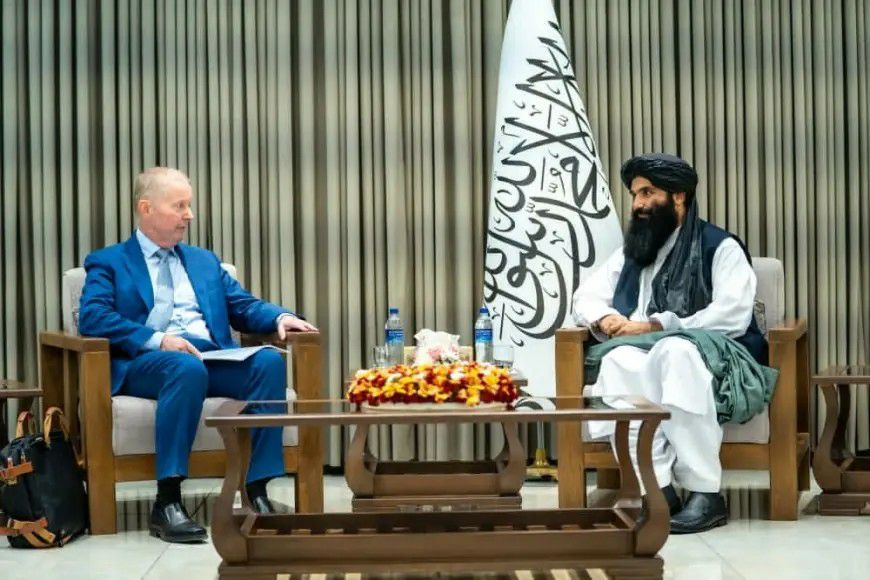
Thomas Frelson, the EU Special Envoy for Afghanistan, raised these concerns during a three-day visit to Kabul from October 12 to 14, 2026.
In a statement, the EU said discussions during Frelson’s meetings with de facto authorities, United Nations representatives, the Organisation of Islamic Cooperation, members of the diplomatic community and Afghan civil society activists focused on human rights and regional security.
Concerns Over ISIS-K Activities
Frelson expressed concern about the presence and cross-border activities of terrorist groups that pose threats to regional and international security.
According to the EU statement, he stressed the importance of the de facto authorities honouring their commitment that Afghan territory would not be used to threaten the security of other countries.
The EU noted that the overall security situation in Afghanistan had improved in some respects, but said the continued activities of terrorist groups, including ISIS-K, remained a serious concern.
Restrictions on Women Remain an Obstacle to Normalisation
During a meeting with representatives of Afghan women’s civil society organisations, Frelson heard about the consequences of restrictions on women and girls, as well as their efforts to resist these challenges.
He also reiterated the EU’s serious concerns about the restrictions during discussions with representatives of the de facto authorities.
The EU said these restrictions remained “one of the key obstacles to the normalisation of relations” between Afghanistan and the bloc.
EU Calls for Reduced Tensions Between Afghanistan and Pakistan
During meetings with regional partners, Frelson stressed the need to resume dialogue between Afghanistan and Pakistan to address the security concerns of both countries.
He also called for de-escalation and the protection of civilians and civilian infrastructure. The EU welcomed mediation efforts by regional countries and international partners aimed at promoting peace and stability.
Frelson reaffirmed the bloc’s support for the UN-led Doha Process, stressing that constructive engagement by the de facto authorities and compliance with Afghanistan’s international commitments were important for the country’s return to the international community.
Continued EU Assistance to Afghans
According to the statement, the EU will continue supporting the Afghan people in healthcare, education, livelihoods and resilience-building, including assistance for people returning from Iran and Pakistan.
The bloc emphasised that women should be both among the primary beneficiaries of aid and actively involved in its delivery.
Other issues discussed during the visit included the effects of climate change on Afghanistan, the need to create alternative livelihood opportunities for farmers affected by the anti-narcotics campaign, and the importance of preserving the country’s cultural heritage.
The EU concluded that its engagement with Afghanistan would continue to follow a principled and practical approach focused on the needs of the Afghan people.