Afghanistan Builds 150 Water Reservoirs at a Cost of AFN 466 Million
DID Press: Afghanistan’s Taliban-run Ministry of Energy and Water says 150 water reservoirs have been constructed across the country over the past five years at a total cost of AFN 466.6 million. The projects aim to replenish groundwater resources, control surface water, mitigate the effects of drought and reduce flood risks.
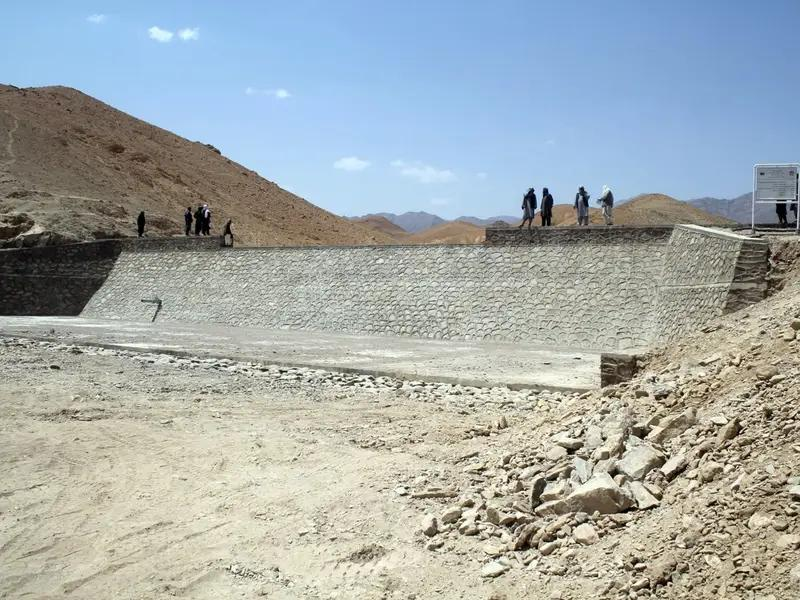
Matiullah Abid, a spokesperson for the ministry, said the reservoirs were built to improve water management, control surface runoff and replenish underground water supplies. According to the ministry, the completed projects provide irrigation for 7,309 hectares of agricultural land.
Water management and storage have become increasingly important as parts of Afghanistan face drought, water shortages and vulnerability to seasonal flooding. Expanding reservoir infrastructure could help conserve water for use during dry periods and support agricultural activities.
The Taliban-run Ministry of Energy and Water also highlighted five major dam projects: Shah wa Arous Dam in Kabul, Omari Dam in Zabul, Pashdan Dam in Herat, Kamal Khan Dam in Nimroz and Bakhshabad Dam in Farah. The projects are intended to improve water management and expand the country’s capacity to use its water resources.
Tahir Momandzai, a water management expert, said Afghanistan’s river basins have different characteristics and that water resources should be developed according to each basin’s potential for agriculture and electricity generation. He identified the Kunar River basin as one of the areas with potential for irrigation and hydropower production.
Meanwhile, the Taliban-run Ministry of Agriculture, Irrigation and Livestock has also described reservoir construction as part of efforts to improve agricultural water management and reduce the effects of water shortages.
The Qosh Tepa Canal is another major water infrastructure project in Afghanistan. As sections of the canal are completed, its capacity to deliver water for agricultural irrigation is expected to increase. Managing the Kunar River’s water resources has also drawn attention because of their potential to support farming and electricity generation.