Book Launch Amid Hunger Crisis Highlights Taliban’s “Misplaced Priorities”
DID Press: Recent remarks by Shir Ahmad Haqqani, the Taliban’s acting minister of information and culture, at a ceremony in Kabul marking the launch of a book by Taliban supreme leader Hibatullah Akhundzada have highlighted what critics describe as the authorities’ misplaced governing priorities.
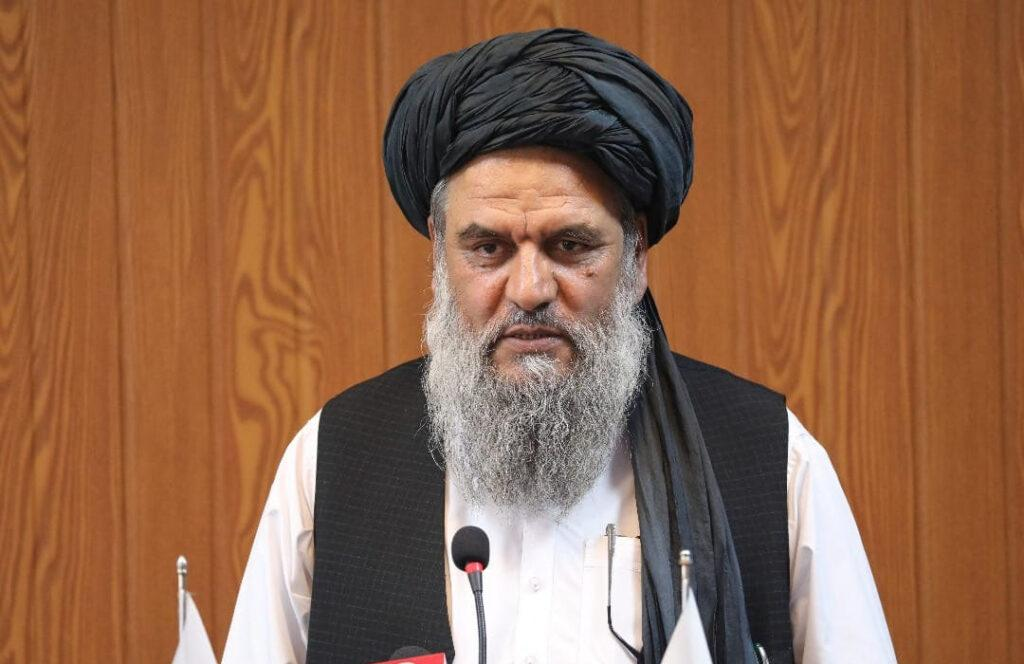
The article argues that describing Afghanistan’s political system as an “Islamic caliphate,” treating economic concerns as secondary and leaving the livelihoods of millions to fate and divine intervention reveal a widening gap between the country’s humanitarian realities and the priorities of its rulers.
It notes that millions of Afghans continue to face severe poverty and food insecurity, while unemployment, child malnutrition and the departure of young people in search of better opportunities remain major challenges.
The author argues that treating livelihoods, employment and economic hardship as secondary concerns reflects a failure to address the basic responsibilities of governance. He maintains that economic security, access to essential services and respect for human dignity are fundamental to the stability and legitimacy of any political system.
The article further contends that prioritising ideological obligations and unquestioning obedience to central decisions over people’s immediate needs could deepen public frustration, weaken confidence in governing institutions and accelerate the loss of skilled workers.
It also warns that such rhetoric could undermine Afghanistan’s efforts to attract regional and international investment, secure the release of frozen assets and improve relations with foreign governments. According to the author, investors require transparent legal frameworks, economic stability and reliable guarantees before committing resources to major projects.
The article adds that persistent poverty and limited employment opportunities could drive further migration to neighbouring countries, increasing social and economic pressures across the region and complicating Kabul’s diplomatic relations.
Concluding the commentary, the author calls for a governing approach that balances ideological values with the practical needs of the population, placing human dignity, employment, economic welfare and development among Afghanistan’s national priorities.
By Sayed Baqer Waezi | DID News Agency