Afghanistan’s Uzbek Language Day Highlights Calls for Linguistic Equality
DID Press: On Afghanistan’s National Uzbek Language Day, several political leaders, former officials and cultural activists have stressed the importance of preserving mother tongues, ensuring equal linguistic rights and preventing the marginalisation of ethnic cultures. Education in mother tongues and expanding the presence of the Uzbek language in the media and official institutions were among the main themes of their messages.
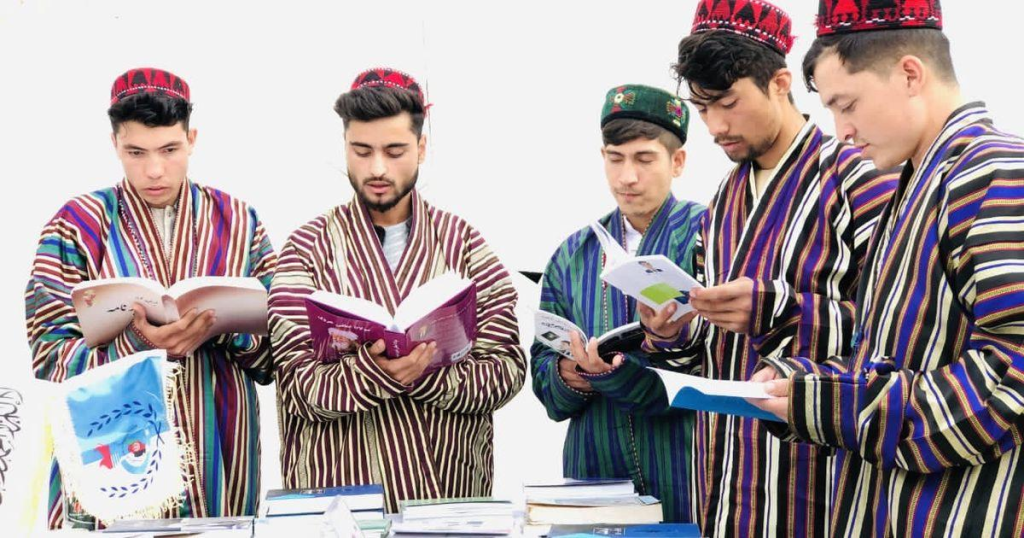
Mizan 29 is recognised in Afghanistan as National Uzbek Language Day. The occasion was officially added to the country’s calendar in 2019, under a decree issued by Ashraf Ghani, the country’s former president, who later fled Afghanistan.
Mohammad Mohaqiq, leader of the Islamic Unity Party of the People of Afghanistan, expressed concern over the reduced use of Dari Persian and Uzbek in official correspondence and public spaces. He stressed that no language or culture should be marginalised as a result of monopolistic policies.
Atta Mohammad Noor, leader of Jamiat-e Islami Afghanistan, congratulated Uzbek speakers and those interested in the language on the occasion. Dawood Ali Najafi, a former Afghan government minister, also described Uzbek as part of the country’s cultural heritage, emphasising its contribution to literary richness and national solidarity.
Uzbek, alongside Dari Persian, Pashto and other languages spoken in Afghanistan, forms part of the country’s cultural heritage. The language has a substantial number of speakers in Faryab, Jawzjan, Balkh and Sar-e Pol provinces. Supporting education, media activities and literary production in Uzbek is among the ways to preserve the language and pass its cultural heritage on to future generations.