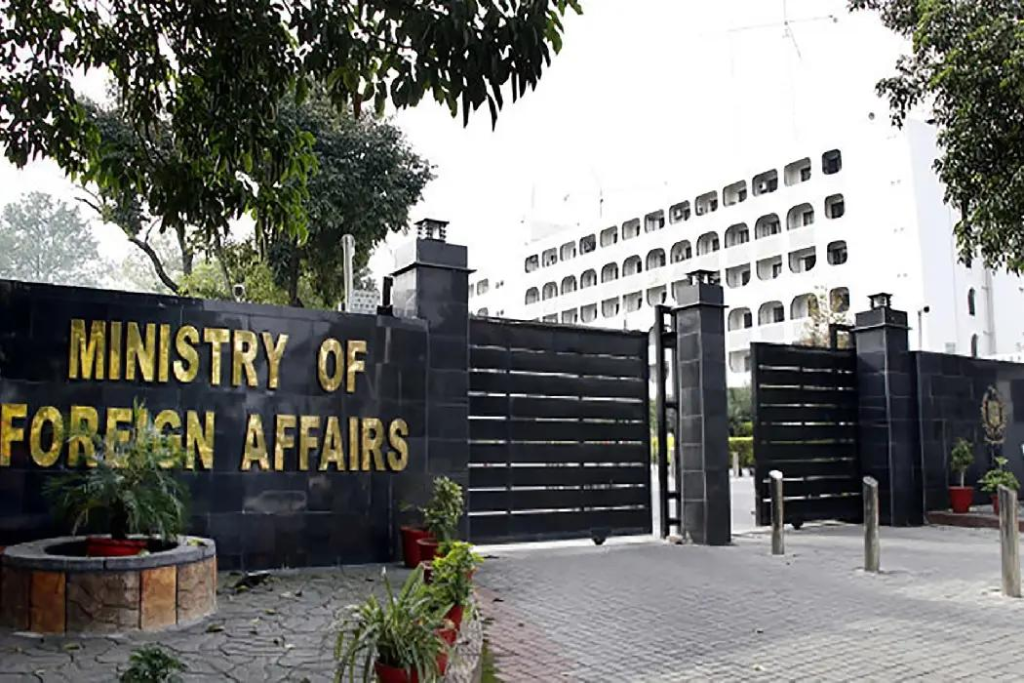
DID Press: Pakistan’s Foreign Ministry has welcomed efforts by the United States and regional countries to mediate between Islamabad and Kabul, but has made concrete and verifiable action by the Taliban authorities against Tehrik-e-Taliban Pakistan (TTP) and the Balochistan Liberation Army (BLA) a key condition for constructive talks.
Islamabad has stressed that any diplomatic progress with the Taliban authorities depends on addressing Pakistan’s security concerns and preventing armed groups from operating out of Afghan territory. The position comes as Washington has also expressed readiness to mediate between the two sides and help ease border and security tensions.
In a statement, Pakistan’s Foreign Ministry said the country welcomed efforts by the United States and other regional states to facilitate dialogue with Afghanistan. However, it said meaningful negotiations would depend on tangible and measurable steps by the Taliban authorities against armed groups that Islamabad claims operate from Afghan territory.
Pakistan has particularly called for action to contain the TTP and the BLA, stressing that any measures taken must be open to assessment and verification.
The statement comes amid continuing border tensions between Pakistan and the Taliban authorities. Pakistan’s military had previously warned that Kabul could not withstand retaliatory attacks by Islamabad. Pakistani officials have also repeatedly accused the Taliban of providing safe havens to TTP members in Afghanistan. These allegations have coincided with increased Pakistani attacks in border areas, including Paktika and Khost provinces.
The Taliban authorities, however, have rejected Islamabad’s accusations. Taliban spokesperson Zabihullah Mujahid has attributed insecurity in Pakistan to the country’s internal problems and reiterated that the Taliban administration would not allow Afghan territory to be used against neighbouring countries.
Washington’s readiness to mediate comes as security disagreements between Pakistan and the Taliban authorities remain a major source of regional tension. The United States has expressed concern over the activities of armed groups in Afghanistan and offered to help reduce border tensions and facilitate dialogue between the two sides.
Pakistan’s conditions indicate that Islamabad wants any diplomatic progress to be linked to practical changes in the Taliban’s security policies. This approach could complicate mediation efforts, particularly if the two sides fail to reach agreement on the nature of the security threats and responsibility for addressing them.