Pakistan Considers Redrawing Administrative Map with Proposal for 12 Provinces
DID Press: Sources familiar with the matter in Pakistan say a proposal to increase the number of provinces in the country from four to 12 is under consideration. Under the proposed plan, Punjab would be divided into four provinces, Khyber Pakhtunkhwa and Balochistan into three each, and Sindh into two.
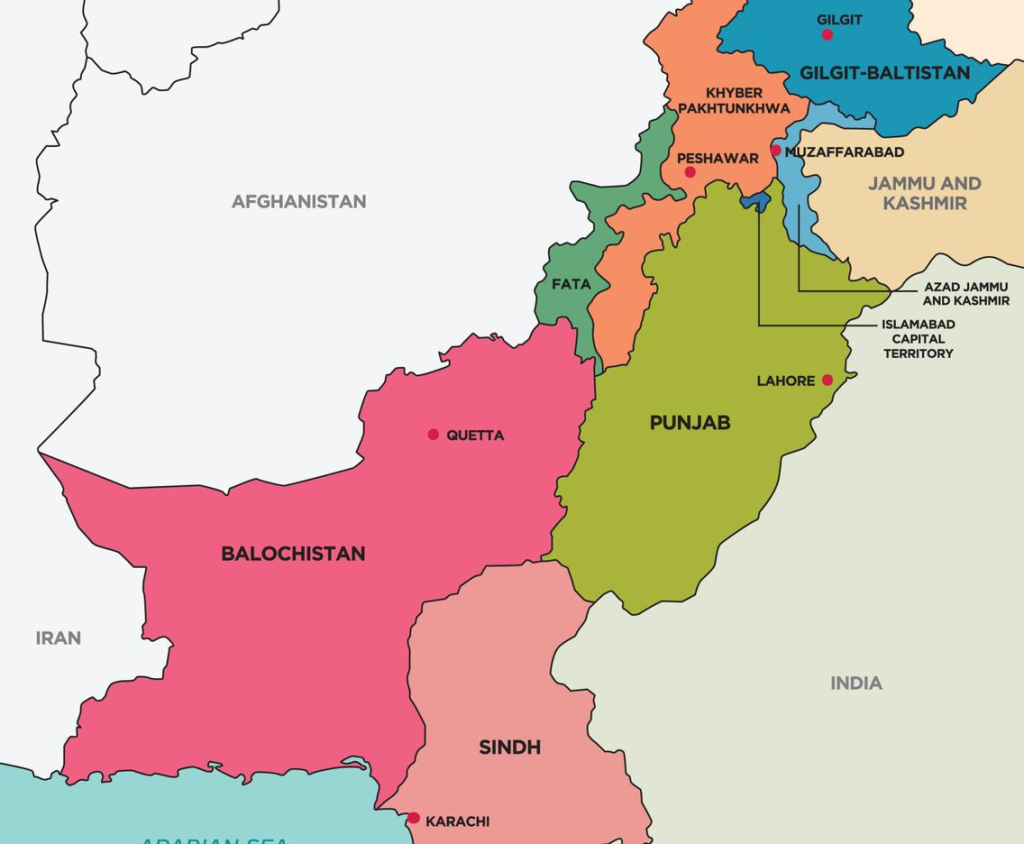
The Pakistani newspaper The News reported that the proposal has been raised in decision-making circles and could be pursued through the country’s 28th Constitutional Amendment.
The proposed changes aim to reduce the concentration of power in provincial capitals, improve public services, enhance administrative efficiency and ensure a more balanced distribution of resources and development facilities.
While some political groups in Pakistan have opposed the proposal, informed sources say a nationwide referendum could provide public backing for the plan and prevent it from becoming solely a partisan political dispute. However, no final decision has been made regarding the boundaries or administrative structures of the proposed provinces.
According to the report, if the proposal moves forward, preparations for the 28th Constitutional Amendment could begin in the first quarter of 2027, with the amendment potentially placed on the agenda during the first half of that year.
Political Opposition and Legal Obstacles
The debate over establishing new provinces has resurfaced in Pakistan in recent months. Mohsin Naqvi, the Interior Minister, and Ahsan Iqbal, the Minister for Planning and Development, have previously spoken about the need to review the country’s administrative structure. Iqbal has even proposed creating between 12 and 15 provinces.
However, the proposal to divide existing provinces has encountered opposition. In Sindh, nationalist parties and political groups have rejected changes to the province’s boundaries. The Sindh Provincial Assembly also passed a resolution on September 3 rejecting any division of the province.
Legally, holding a referendum alone would not be sufficient to change provincial boundaries. Under Pakistan’s Constitution, any alteration to the boundaries of a province requires the approval of at least two-thirds of the members of the relevant provincial assembly, as well as completion of the legislative approval process in the federal parliament.
The distribution of financial resources, water, land, tax revenues and the costs of establishing new administrative institutions are also among the major challenges facing the proposal.
Increasing the number of provinces could be intended to bring administrative structures closer to citizens and reduce the concentration of power. However, redrawing Pakistan’s administrative map is not merely a technical reform; it is closely linked to political power balances, ethnic and regional identities, and the distribution of resources.
Opposition in Sindh and constitutional requirements indicate that implementing the proposal would require broad political agreement. Consequently, even if a referendum is held, the process of turning the proposal into a new administrative structure is unlikely to be straightforward.