Taliban to Include Morality Law in Afghanistan’s University Curriculum
DID Press: Taliban’s Ministry for the Promotion of Virtue and Prevention of Vice has announced plans to incorporate its Law on the Promotion of Virtue and Prevention of Vice into the curriculum of universities across Afghanistan.
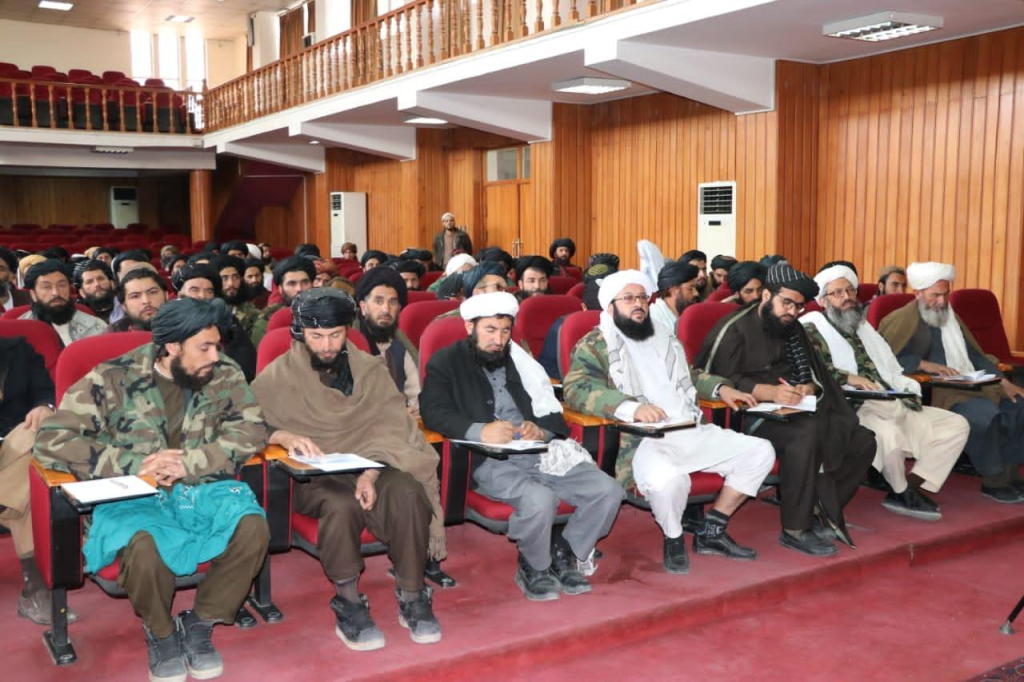
The move is intended to expand awareness of the legislation and institutionalise its provisions within the country’s higher education system.
Aslam Badariwal, spokesperson for the ministry, announced the initiative in a post on the social media platform X, reporting that a seminar on the law had been held at a private university in Kabul.
According to Badariwal, participating lecturers and students discussed the law’s significance, its role in reforming society and the impact of its implementation on the religious and moral upbringing of younger generations.
However, the ministry’s spokesperson did not provide details about when formal teaching of the law would begin, how the subject would be delivered or how many universities would be included in the programme.
The Taliban have previously organised seminars and awareness programmes on the legislation at various educational and administrative institutions, urging employees and members of the public to familiarise themselves with its provisions.
The group’s officials have repeatedly stressed the importance of enforcing the law and ensuring that different sectors of society understand its regulations.
The Taliban’s Law on the Promotion of Virtue and Prevention of Vice was formalised in August 2024 after being approved by the group’s supreme leader, Hibatullah Akhundzada. The legislation grants extensive powers to the ministry’s inspectors and imposes restrictions on various aspects of individual and social life, including dress codes, public conduct, women’s presence in society and social activities.
Since its introduction, the law has faced criticism from human rights organisations and international institutions, including the United Nations.
Critics say its provisions, particularly those restricting women’s clothing and participation in public life, violate individual freedoms and the fundamental rights of people in Afghanistan.
The move to incorporate the legislation into university curricula comes as the Taliban have already imposed extensive restrictions on Afghanistan’s education system, particularly on the education of girls and women.
Although the promotion of virtue and prevention of vice are important principles in Islamic teachings concerning social reform, critics argue that the Taliban’s rigid and radical interpretation of these principles has turned them into instruments of social repression and coercion against individuals and institutions.