Russia’s Shift Towards the Taliban Weakens Pakistan’s Leverage
DID Press: Asif Durrani, Pakistan’s former special representative for Afghanistan, has written in an opinion article published by Arab News that Russia’s changing approach towards the Taliban and India’s expanding relations with Kabul have shifted regional diplomatic dynamics to Islamabad’s disadvantage, reducing Pakistan’s ability to exert pressure on the Taliban government.
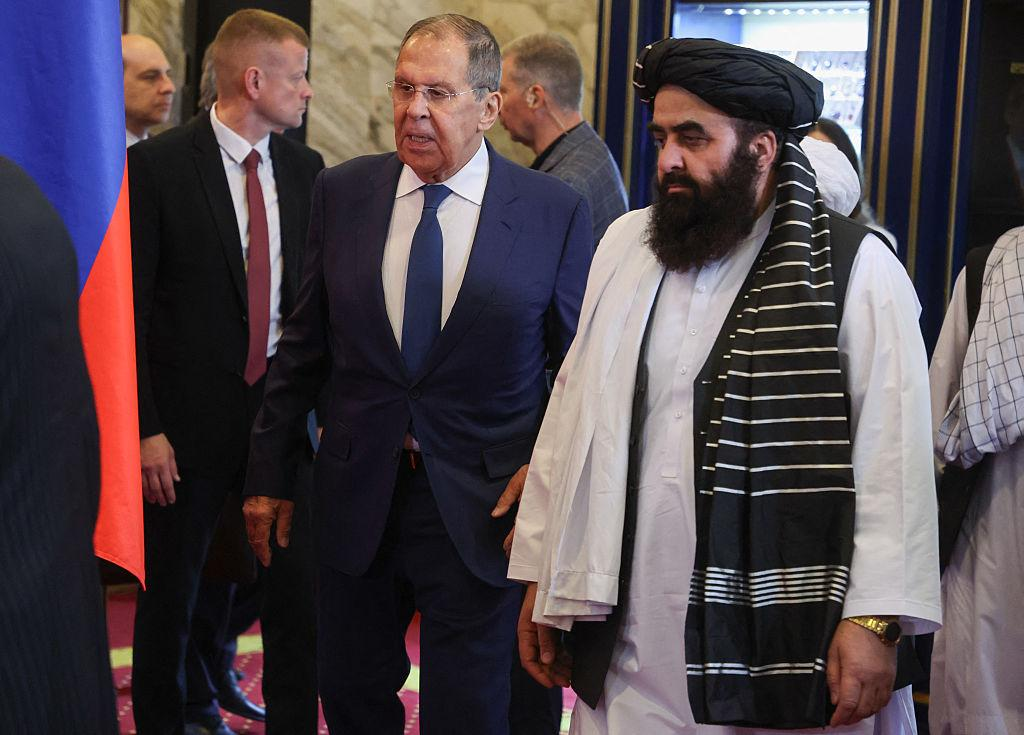
Referring to the October 5 meeting of the Moscow Format, Durrani said the meeting ended without a joint statement because the Taliban delegation opposed the inclusion of language on combating terrorism and Afghanistan’s commitments towards neighbouring countries. In his view, the development demonstrates the Taliban’s willingness to take advantage of regional diplomatic opportunities without accepting clear security commitments.
The former Pakistani diplomat considers the change in Russian Foreign Minister Sergey Lavrov’s tone towards the Taliban another indication of this shift. Lavrov has referred to the Taliban government as a “national government” and offered a positive assessment of its performance. Russia also became the first country to formally recognise the Taliban government in July 2025.
Durrani believes that India’s expanding relations with Kabul, alongside Moscow’s growing political support for the Taliban, has effectively created greater international space for the government. He writes that although Russia and India have different objectives and interests, their engagement with Kabul could strengthen the Taliban’s regional position.
He also points to the presence of armed groups in Afghanistan, including the Tehreek-e-Taliban Pakistan (TTP), the Balochistan Liberation Army (BLA), Islamic State Khorasan Province (ISKP) and al-Qaeda. He alleges that despite repeated requests from Islamabad, Kabul has failed to take effective action to prevent the activities of groups that threaten Pakistan’s security.
Durrani said Russia’s position towards the Taliban is inconsistent with United Nations assessments regarding the presence and activities of terrorist groups in Afghanistan. In his view, despite being aware of these concerns, Moscow has refrained from turning the Taliban’s counterterrorism record into a tool of political pressure at the UN Security Council. He argues that this also contradicts Russia’s previous positions on security cooperation with Pakistan.
The former Pakistani official also referred to the Taliban’s opposition to including counterterrorism commitments in the joint statement issued after the trilateral meeting between Pakistan, China and Afghanistan in Kabul in August 2025. He described this as part of an approach in which the Taliban seek to benefit from regional cooperation while avoiding clearly defined political and security responsibilities.
Durrani believes that the continuation of this trend could weaken regional consensus on preventing Afghan territory from being used against neighbouring countries. At the same time, the Taliban’s expanding diplomatic options through engagement with Russia and India could reduce the government’s incentive to respond to Pakistan’s security demands.
Conclusion and Analysis
Durrani’s article reflects Islamabad’s concerns over the erosion of its traditional influence over the Taliban and the shifting regional balance of power. Pakistan, which for years regarded Afghanistan as part of its strategic depth, is now dealing with a government that has acquired more diverse options in its foreign relations.
In this context, Russia’s recognition of the Taliban and India’s expanding relations with Kabul have increasingly challenged Pakistan’s traditional monopoly of influence.
However, Islamabad’s main concern is not merely the expansion of Kabul’s foreign relations, but also its inability to impose its security demands on the Taliban government.